
Understanding Extruder Price: A Comprehensive Guide
Navigating the world of extruder pricing can be complex. The cost of an extruder machine depends on a multitude of factors, ranging from its size and capacity to its level of automation and the manufacturer's reputation. This article aims to provide a detailed breakdown of extruder prices, helping you understand what influences the cost and how to find the best value for your investment. Whether you're a seasoned professional or new to the industry, this guide will equip you with the knowledge to make an informed decision. We'll explore the various types of extruders and their typical price ranges.
Factors Influencing Extruder Price
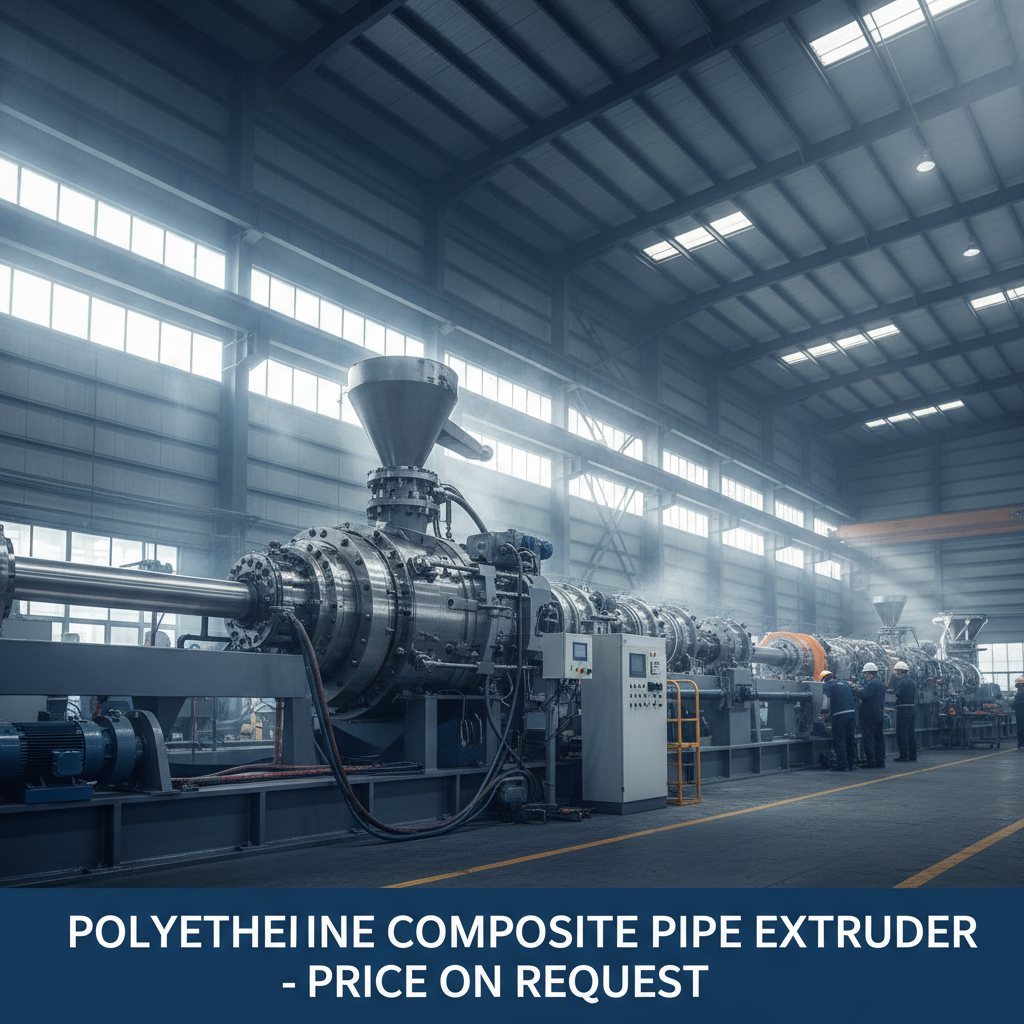
Several key factors significantly impact the price of an extruder. These include the type of extruder (single-screw, twin-screw, etc.), its throughput capacity, the materials it can process, the level of automation, and the brand's reputation. Larger extruders with higher throughputs naturally command higher prices. Specialized extruders designed for specific materials like PVC or polyethylene also tend to be more expensive. Automation features, such as automatic die changes and material feeding systems, further increase the cost but can significantly improve efficiency and reduce labor costs in the long run. Brand reputation and after-sales service are also important considerations.
Key Highlights: Extruder price is influenced by type, capacity, materials processed, automation level, and brand reputation. Investing in a reputable brand often ensures better quality and after-sales support.
Types of Extruders and Their Price Ranges
Different types of extruders cater to various applications and come with differing price tags. Single-screw extruders are the most common and generally the most affordable, while twin-screw extruders offer greater versatility and precision but come at a higher cost. Film blowing extruders, pipe extruders, and profile extruders each have their own specific requirements and price points. The material the extruder is constructed from also impacts the price, with stainless steel extruders being more expensive than carbon steel models.
Extruder Type Price Ranges (Approximate):
• Single-Screw Extruder: $20,000 - $150,000
• Twin-Screw Extruder: $80,000 - $500,000+
• Film Blowing Extruder: $50,000 - $300,000
• Pipe Extruder: $60,000 - $400,000
Extruder Price: Single-Screw vs. Twin-Screw
The choice between a single-screw and twin-screw extruder often hinges on the application and budget. Single-screw extruders are simpler in design, making them more affordable and easier to maintain. They are well-suited for processing homogenous materials. However, twin-screw extruders offer superior mixing and processing capabilities, making them ideal for complex formulations, devolatilization, and handling a wider range of materials. The higher price of a twin-screw extruder is justified when precise control over the extrusion process is critical.
Hidden Costs Associated with Extruder Purchase
Beyond the initial purchase price, several hidden costs should be factored into your budget. These include shipping and installation, tooling and dies, operator training, preventative maintenance, and potential repair costs. The cost of electricity to power the extruder should also be considered, especially for high-throughput operations. Investing in a comprehensive service contract can help mitigate the risk of unexpected repair bills. At AHDC11, we provide transparent pricing and can help you estimate these additional costs accurately.
Selecting the Right Extruder: A Cost-Benefit Analysis
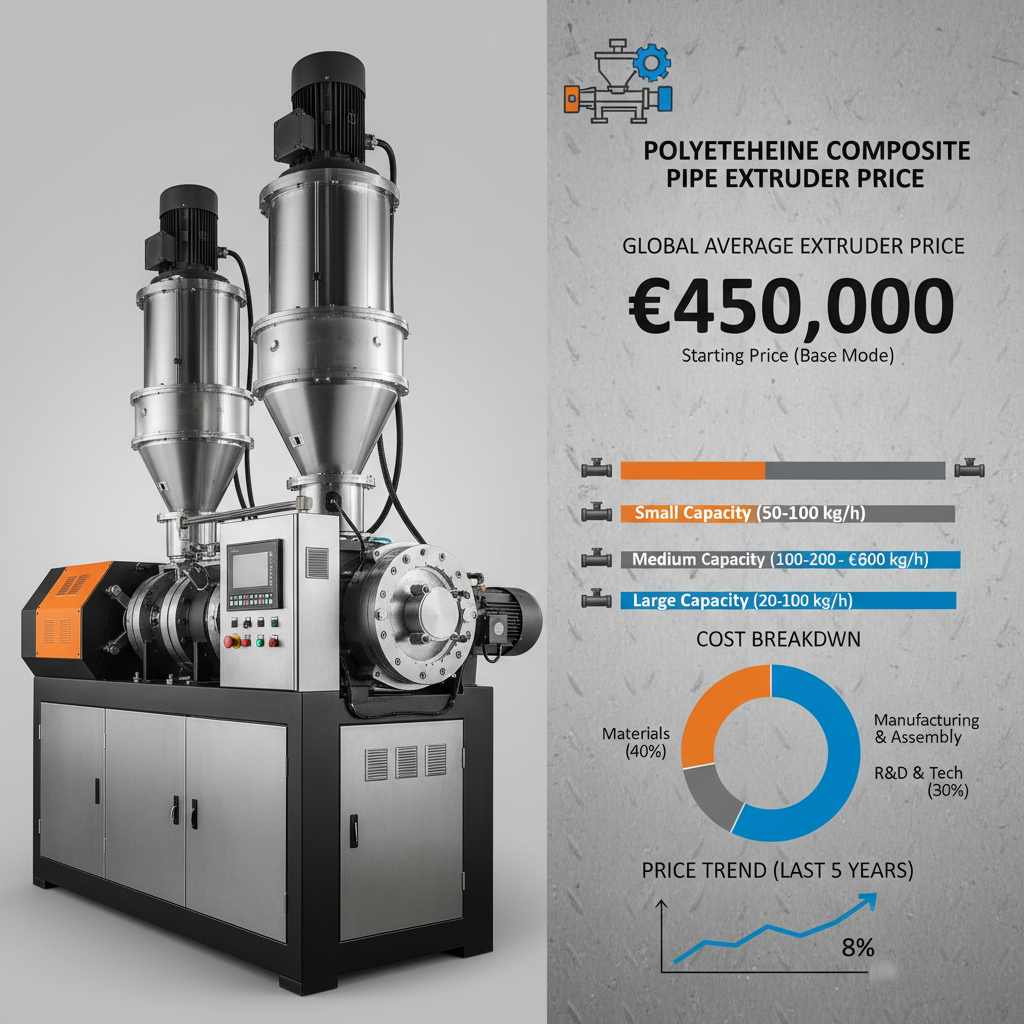
Ultimately, selecting the right extruder requires a thorough cost-benefit analysis. Consider your production volume, the materials you'll be processing, and your budget constraints. Don't solely focus on the initial purchase price; factor in long-term operating costs, maintenance requirements, and potential downtime. Investing in a higher-quality extruder upfront may save you money in the long run by reducing maintenance and improving efficiency. Contacting experienced extruder suppliers like AHDC11 can provide valuable guidance and help you choose the optimal solution for your needs.
Conclusion: Making an Informed Extruder Investment
Understanding the factors that influence extruder price is crucial for making a sound investment. By carefully considering your needs, conducting a thorough cost-benefit analysis, and partnering with a reputable supplier, you can acquire an extruder that delivers optimal performance, reliability, and value. Don't hesitate to seek expert advice and explore financing options to make your investment more manageable.
Frequently Asked Questions (FAQs)
What is the typical lead time for an extruder order?
Lead times can vary significantly depending on the type of extruder, customization requirements, and the manufacturer's current workload. Generally, standard extruders may have a lead time of 8-12 weeks, while customized models can take 16 weeks or longer. It's always best to check with the supplier for a precise estimate. Factors like component availability and manufacturing capacity can also influence lead times.
Does the price include installation and training?
Typically, the base price of the extruder does not include installation and training. These are often offered as separate services with additional costs. However, some suppliers may offer package deals that include installation, training, and a basic set of spare parts. Always clarify what is included in the price before making a purchase. AHDC11 provides comprehensive installation and training services tailored to your specific needs.
What payment terms are typically offered?
Common payment terms include a down payment (typically 30-50%) upon order placement, with the remaining balance due before shipment or upon installation. Some suppliers may offer financing options or letter of credit payment terms. The specific terms will depend on the supplier, your creditworthiness, and the overall value of the order. Negotiating favorable payment terms can help manage your cash flow.
What warranty is provided with the extruder?
Most extruder manufacturers offer a warranty that covers defects in materials and workmanship. Warranty periods typically range from 12 to 24 months, but can vary depending on the supplier and the specific extruder model. The warranty usually covers parts and labor for repairs, but may not cover wear and tear items or damage caused by improper use. It's crucial to carefully review the warranty terms and conditions before making a purchase.
-
High Efficiency PE Extrusion Line Guide for Plastic ManufacturingNewsApr.16,2026
-
High Speed Steel Wire Mesh HDPE Composite Pipe Production Line - Anhui Dongchai|High Automation&Energy EfficiencyNewsApr.13,2026
-
High Speed Steel Wire Mesh HDPE Composite Pipe Production Line - Anhui Dongchai|High Automation&Energy EfficiencyNewsApr.13,2026
-
Guide to Choosing High Efficiency ppr pipe extrusion machineNewsApr.09,2026
-
Comprehensive Guide to Modern Pipe Production Line Technologies and OptimizationNewsApr.07,2026
-
Choosing the Right Extrusion Pipe Machine for Optimal Plastic Pipe ProductionNewsApr.04,2026
-
Comprehensive Guide to PPR Pipe Extrusion Line Technology and ApplicationsNewsMar.31,2026


