
Understanding Single Screw Extruder Price and Factors Influencing It
The single screw extruder price can vary significantly depending on a multitude of factors. These machines are pivotal in plastics processing, utilized for melting and mixing materials before shaping them into various products. Choosing the right extruder involves careful consideration of its capabilities and cost. This article will provide a comprehensive overview of the price range for single screw extruders, the key factors impacting their cost, and what to look for when making a purchase. We'll help you navigate the complexities of pricing to ensure you get the best value for your investment.
Factors Influencing Single Screw Extruder Price
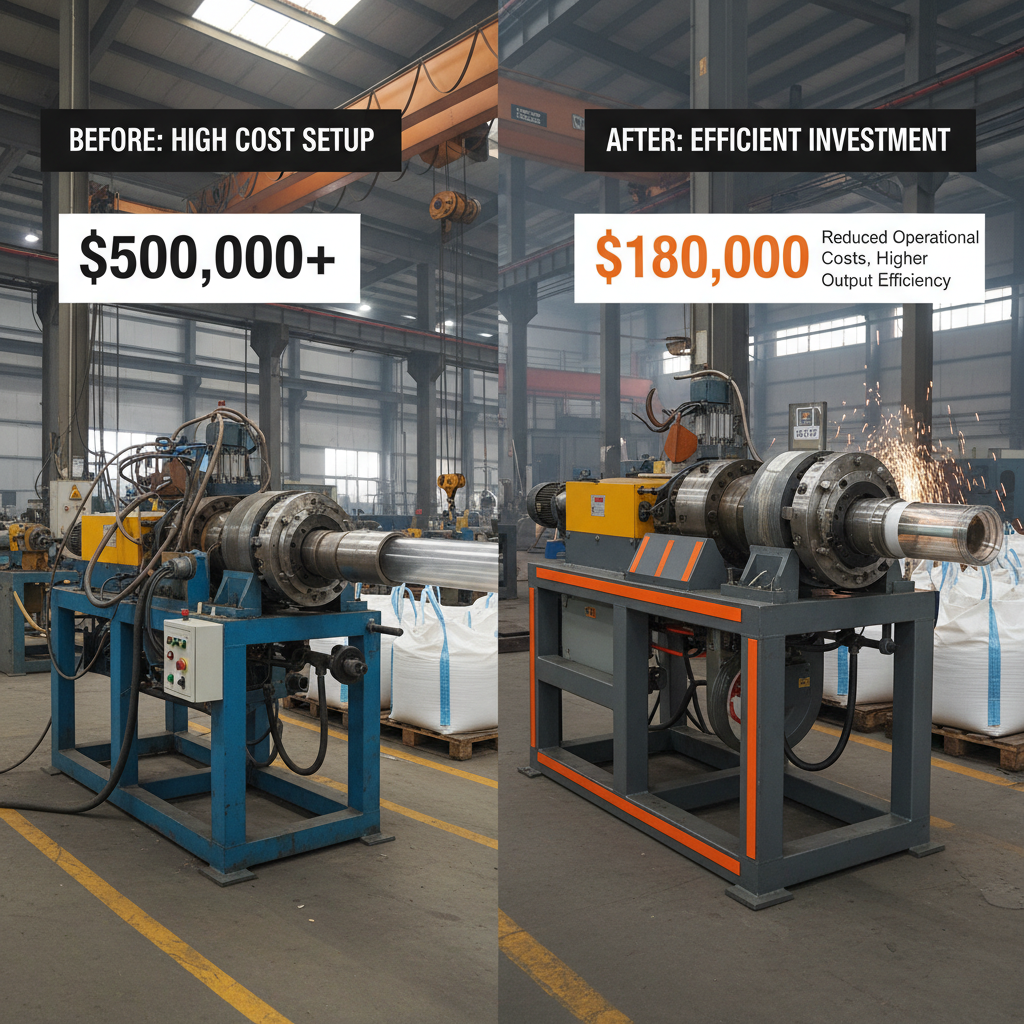
Several core factors determine the single screw extruder price. The size and capacity of the extruder are primary determinants. Larger extruders capable of processing greater volumes naturally command a higher price. Material quality is also crucial; extruders built with high-grade steel and components will be more expensive but offer superior durability and longevity. Furthermore, the level of automation significantly impacts the cost. Fully automated extruders, equipped with advanced control systems and sensors, are substantially more expensive than manually operated models. Finally, the manufacturer's reputation and geographical location also play a role – established brands with robust support networks often charge a premium.
Key Highlights: Size, material quality, automation level, and manufacturer reputation all influence the final price of a single screw extruder.
Price Range Based on Screw Diameter
The screw diameter is a critical specification when considering the single screw extruder price. It directly correlates to the extruder's processing capacity. Here’s a general price range based on screw diameter:
Comparing Extruder Types and Their Cost Implications
While focusing on single screw extruders, it's important to briefly compare them to twin screw extruders. Twin screw extruders, while offering greater mixing efficiency and versatility, typically come with a higher single screw extruder price. This price difference stems from their more complex design and manufacturing process. Single screw extruders are often the preferred choice for simpler applications like PVC pipe production, where high mixing isn't as critical. Therefore, understanding your processing needs is vital for optimizing cost-effectiveness.
Additional Costs to Consider
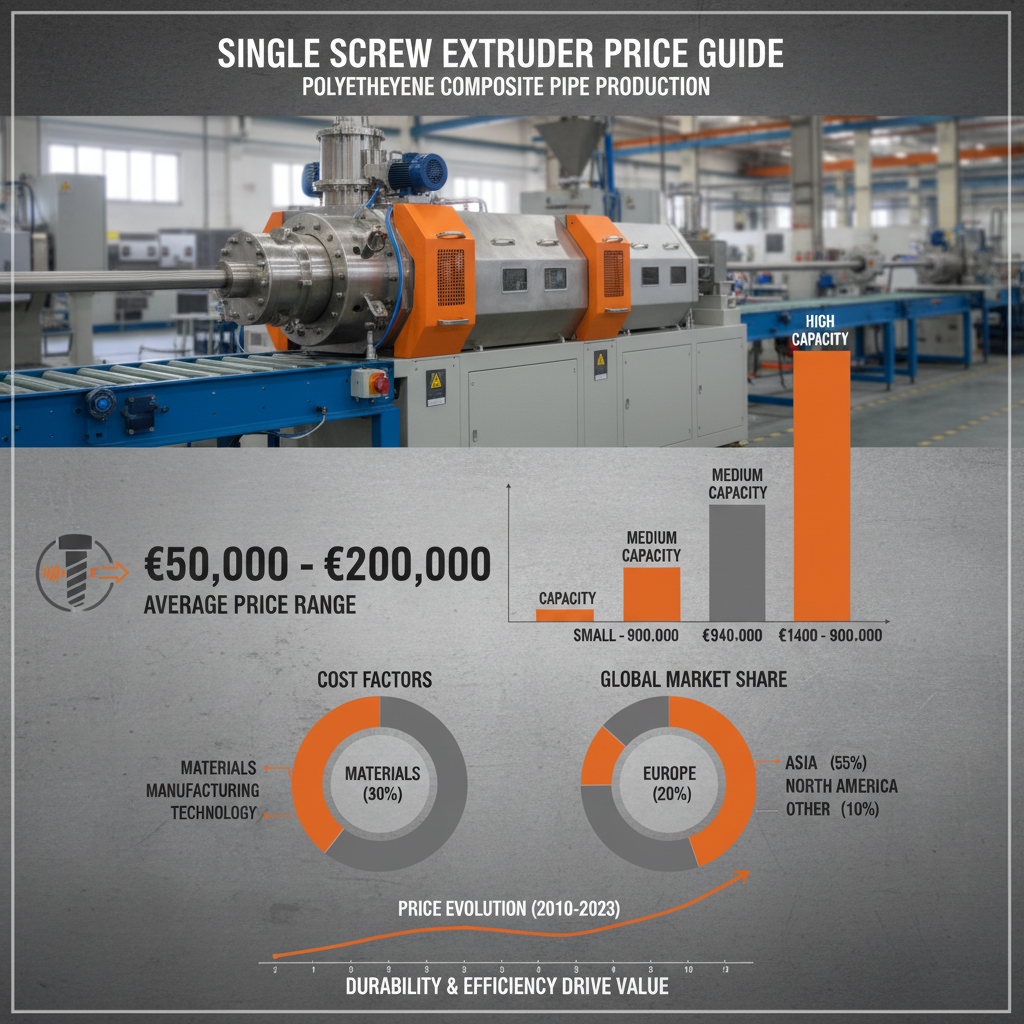
The initial single screw extruder price isn't the only expense. You must factor in additional costs such as installation, tooling (screws, dies, etc.), spare parts, and ongoing maintenance. Shipping costs can also be substantial, particularly for large machines. Training personnel to operate and maintain the extruder is another often-overlooked expense. Creating a comprehensive budget that accounts for all these costs will provide a more accurate assessment of the total investment.
Choosing the Right Supplier: AHDC11
Selecting a reputable supplier is paramount when investing in a single screw extruder. AHDC11 offers a wide range of high-quality single screw extruders at competitive prices. We provide comprehensive support, including installation, training, and ongoing maintenance, ensuring a smooth and efficient operation. Our experienced team can help you identify the right extruder to meet your specific needs and budget. We are committed to delivering reliable machines and exceptional customer service.
Conclusion: Making an Informed Investment
Understanding the factors influencing single screw extruder pricing is crucial for making a sound investment. By carefully considering your processing needs, budget, and supplier reputation, you can secure a machine that delivers optimal performance and long-term value. Don't hesitate to reach out to AHDC11 for expert guidance and a customized solution.
Frequently Asked Questions (FAQs)
What is the typical lead time for a single screw extruder?
Lead times can vary depending on the extruder's complexity and the manufacturer's current workload. Generally, you can expect a lead time of 4-8 weeks for standard models. Customized extruders, with specific modifications or features, may require longer lead times, potentially up to 12 weeks or more. It’s essential to discuss lead times with the supplier upfront to ensure the machine arrives when needed for your production schedule. AHDC11 strives to provide accurate lead time estimates and efficient delivery processes.
What kind of maintenance is required for a single screw extruder?
Regular maintenance is crucial for maximizing the lifespan and performance of your single screw extruder. Key maintenance tasks include lubricating moving parts, inspecting the screw and barrel for wear, cleaning the die head, and checking electrical connections. Preventive maintenance schedules should be established and followed diligently. AHDC11 offers comprehensive maintenance services and provides detailed manuals to guide operators. Proper maintenance minimizes downtime and ensures consistent product quality.
Can AHDC11 provide customized extruder solutions?
Yes, AHDC11 specializes in providing customized extruder solutions tailored to specific customer needs. We can modify existing models or design and build entirely new extruders with unique features and capabilities. This includes adjusting screw diameter, barrel length, and adding specialized tooling or automation systems. Our engineering team works closely with clients to understand their requirements and deliver optimal solutions.
What is the power consumption of a typical single screw extruder?
Power consumption varies significantly depending on the extruder’s size, capacity, and processing speed. Smaller extruders (30-45mm screw diameter) typically consume between 5-15 kW of power, while larger models (120-150mm) can consume 50 kW or more. Energy-efficient motors and optimized process control can help minimize power consumption. It’s important to consider power requirements when planning your facility's electrical infrastructure.
-
High Efficiency PE Extrusion Line Guide for Plastic ManufacturingNewsApr.16,2026
-
High Speed Steel Wire Mesh HDPE Composite Pipe Production Line - Anhui Dongchai|High Automation&Energy EfficiencyNewsApr.13,2026
-
High Speed Steel Wire Mesh HDPE Composite Pipe Production Line - Anhui Dongchai|High Automation&Energy EfficiencyNewsApr.13,2026
-
Guide to Choosing High Efficiency ppr pipe extrusion machineNewsApr.09,2026
-
Comprehensive Guide to Modern Pipe Production Line Technologies and OptimizationNewsApr.07,2026
-
Choosing the Right Extrusion Pipe Machine for Optimal Plastic Pipe ProductionNewsApr.04,2026
-
Comprehensive Guide to PPR Pipe Extrusion Line Technology and ApplicationsNewsMar.31,2026


