
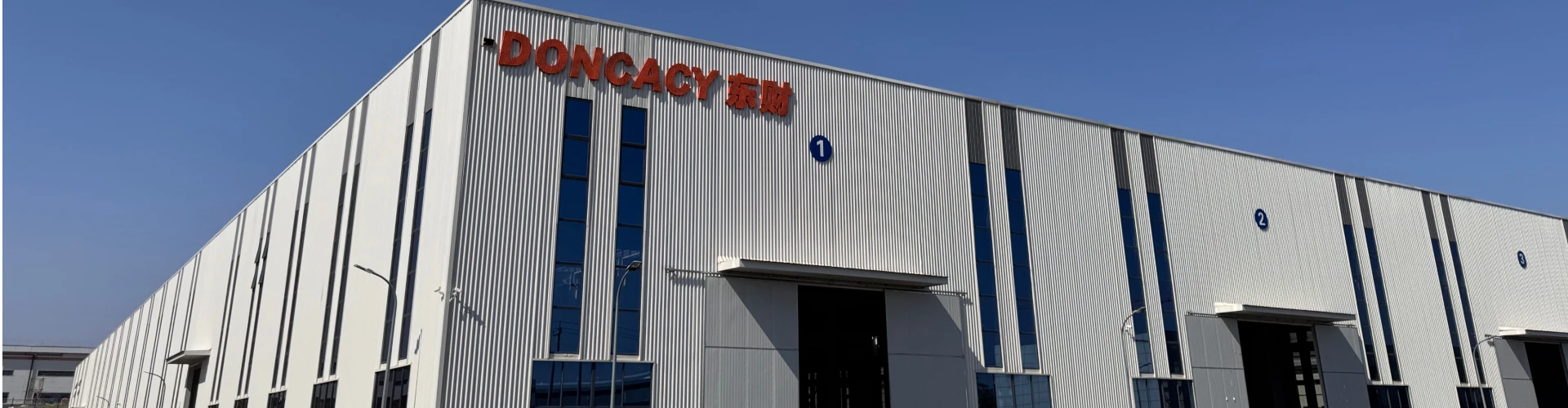
Pipe Production Line: A Comprehensive Guide
A pipe production line is a crucial component of modern infrastructure development, providing the means to create the piping systems essential for transporting liquids and gases across vast distances. Understanding the intricacies of these lines, from their components to their operational benefits, is paramount for anyone involved in the energy, construction, or manufacturing sectors. This article will delve into the details of pipe production lines, outlining the key stages, technologies, and considerations for optimizing their efficiency and reliability. We’ll explore how manufacturers like AHDC11 contribute to this vital industry.
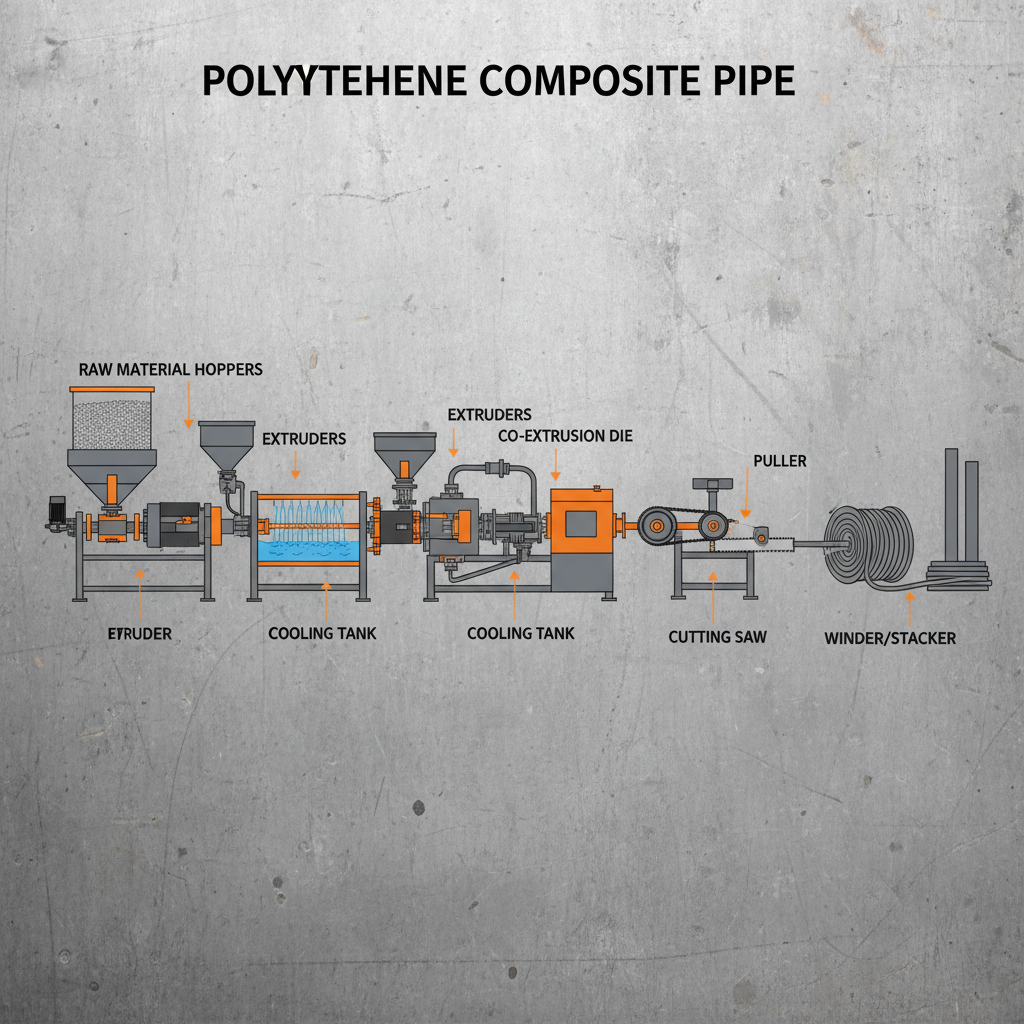
Understanding the Core Components of a Pipe Production Line
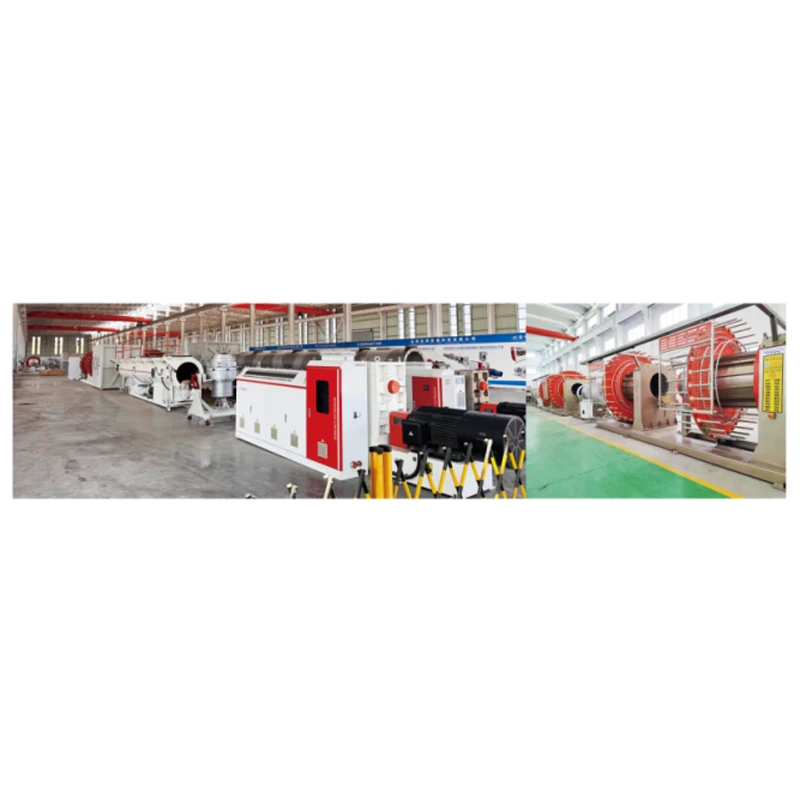
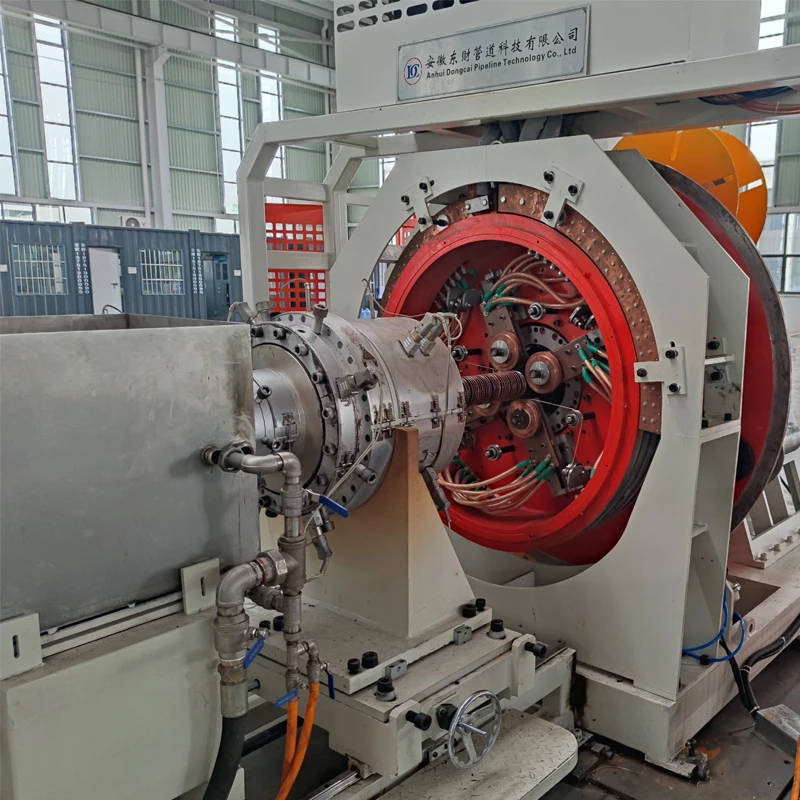
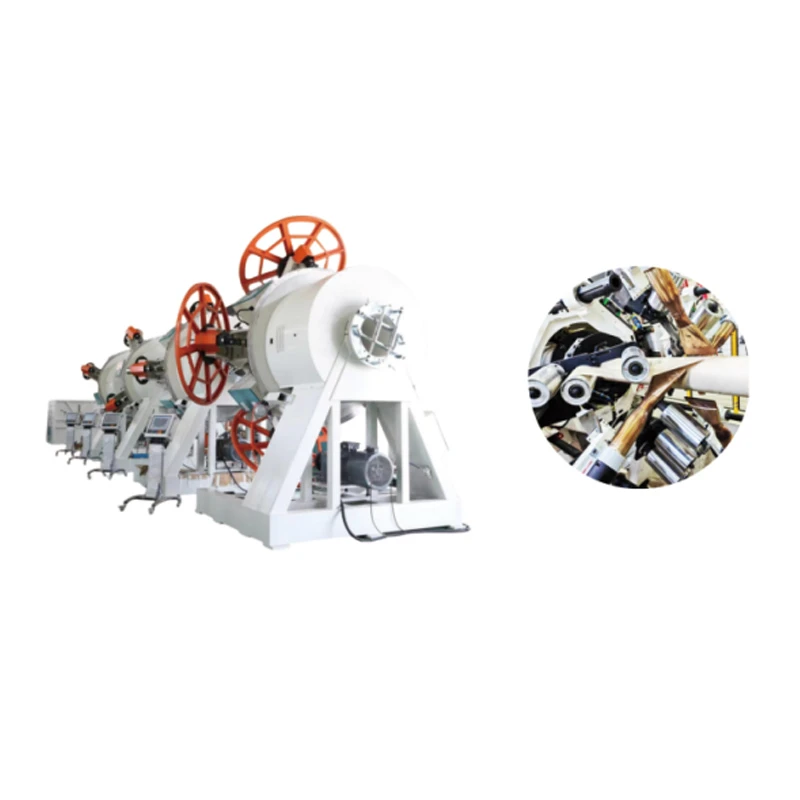
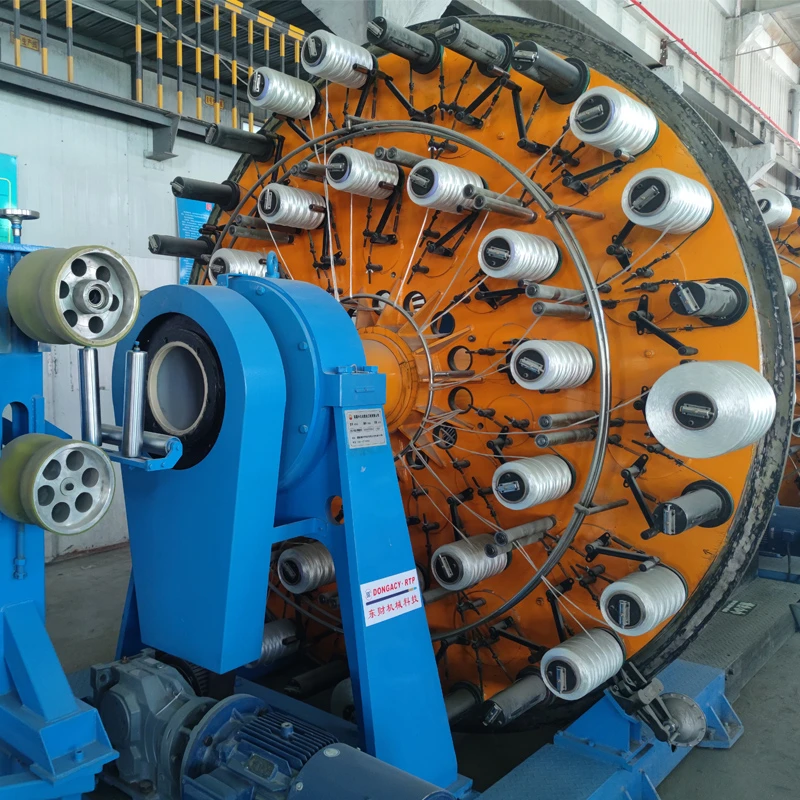
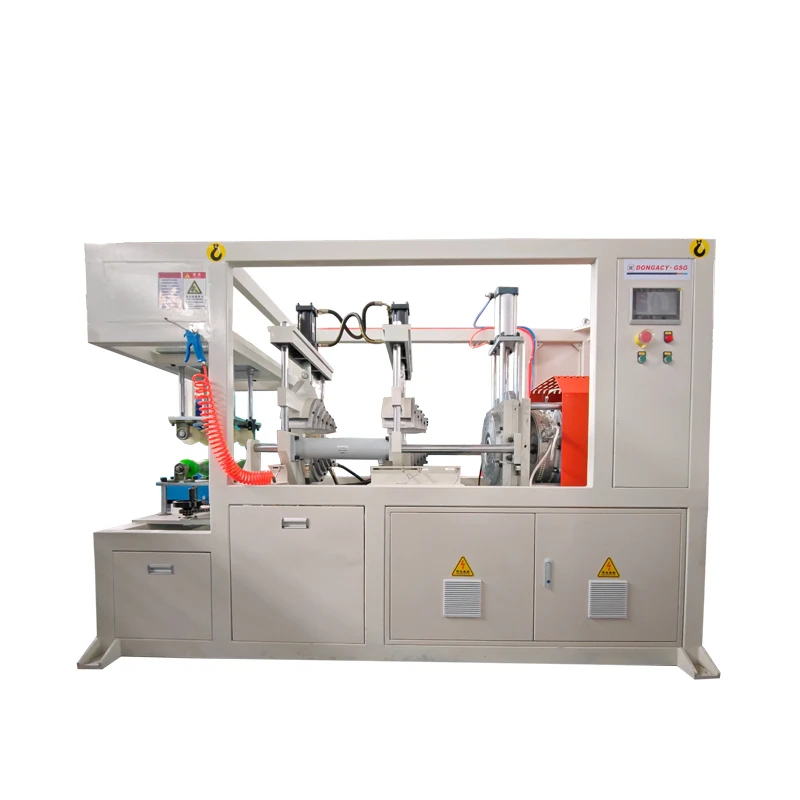
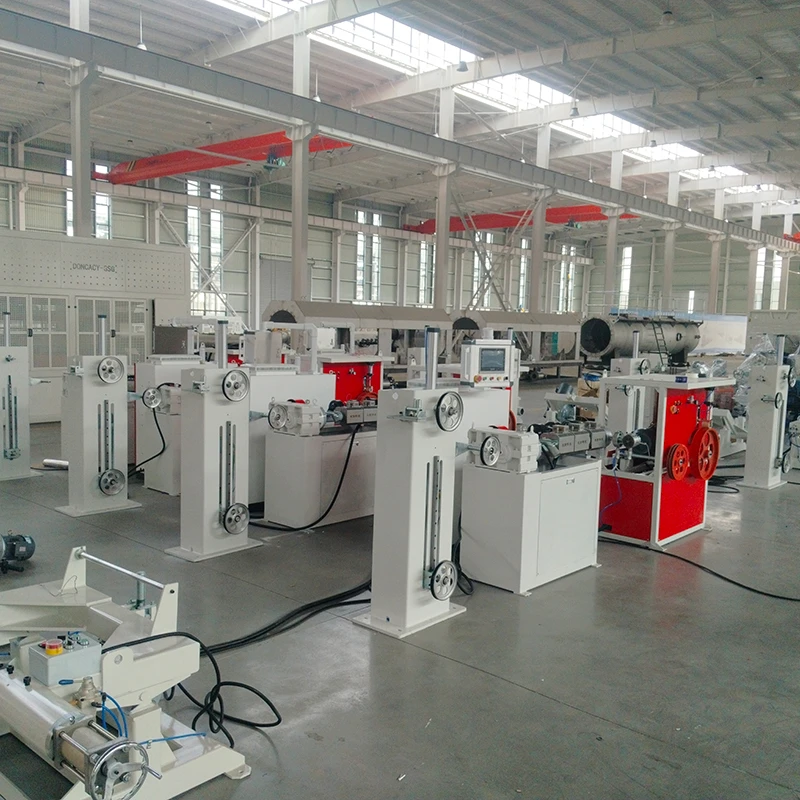
A typical pipe production line consists of several interconnected stages, each playing a vital role in transforming raw materials into finished products. These stages generally include: raw material handling, forming (often involving bending or rolling), welding, non-destructive testing (NDT), coating, and finally, quality control. The specific technologies used within each stage can vary significantly depending on the type of pipe being produced (e.g., steel, plastic, concrete) and the required specifications. Effective integration and automation of these components are key to maximizing output and minimizing defects.
Key Stages: Forming, Welding, NDT, Coating and Quality Control are crucial for optimal operation.
Materials Used in Pipe Production Lines
The selection of materials for pipe production significantly influences the line’s performance and the final product's characteristics. Common materials include various grades of steel (carbon steel, stainless steel, alloy steel) for high-pressure and high-temperature applications, as well as polyethylene (PE), polypropylene (PP), and polyvinyl chloride (PVC) for lower-pressure systems. Concrete is often utilized for large-diameter pipes used in drainage and sewage systems. The choice depends on factors like corrosion resistance, strength requirements, and cost considerations. AHDC11 expertly handles a wide range of materials to cater to diverse client needs.
Advanced Technologies Employed in Modern Pipe Production Lines
Modern pipe production lines leverage a range of advanced technologies to enhance efficiency and quality. These include automated welding systems (like submerged arc welding and laser welding), robotic inspection tools for NDT, and sophisticated coating application techniques (e.g., epoxy coating, polyurethane coating). Digital twins and predictive maintenance are also gaining traction, allowing for real-time monitoring of equipment performance and proactive identification of potential issues. The incorporation of Industry 4.0 principles—such as the Industrial Internet of Things (IIoT) and data analytics—is revolutionizing pipe manufacturing processes.
Technological Advancements:
• Automated Welding Systems
• Robotic Inspection Tools
• Sophisticated Coating Techniques
• Digital Twins & Predictive Maintenance
Pipe Production Line Efficiency: A Comparative Analysis
The efficiency of a pipe production line can be significantly impacted by factors like automation levels, material handling processes, and the integration of data analytics. Traditionally, manual processes and limited data visibility often led to bottlenecks and inefficiencies. However, by adopting advanced technologies and streamlining workflows, manufacturers can achieve substantial improvements in throughput, reduce waste, and lower production costs. Below is a comparative overview of traditional versus modern approaches:
Future Trends in Pipe Production
The future of pipe production lines is likely to be shaped by several key trends, including: increased adoption of artificial intelligence (AI) for process optimization, the development of more sustainable materials and manufacturing processes, and the growing demand for customized pipe solutions. Furthermore, the integration of augmented reality (AR) for maintenance and training purposes is expected to become more prevalent. Companies like AHDC11 are at the forefront of these innovations, constantly seeking new ways to improve efficiency and sustainability.
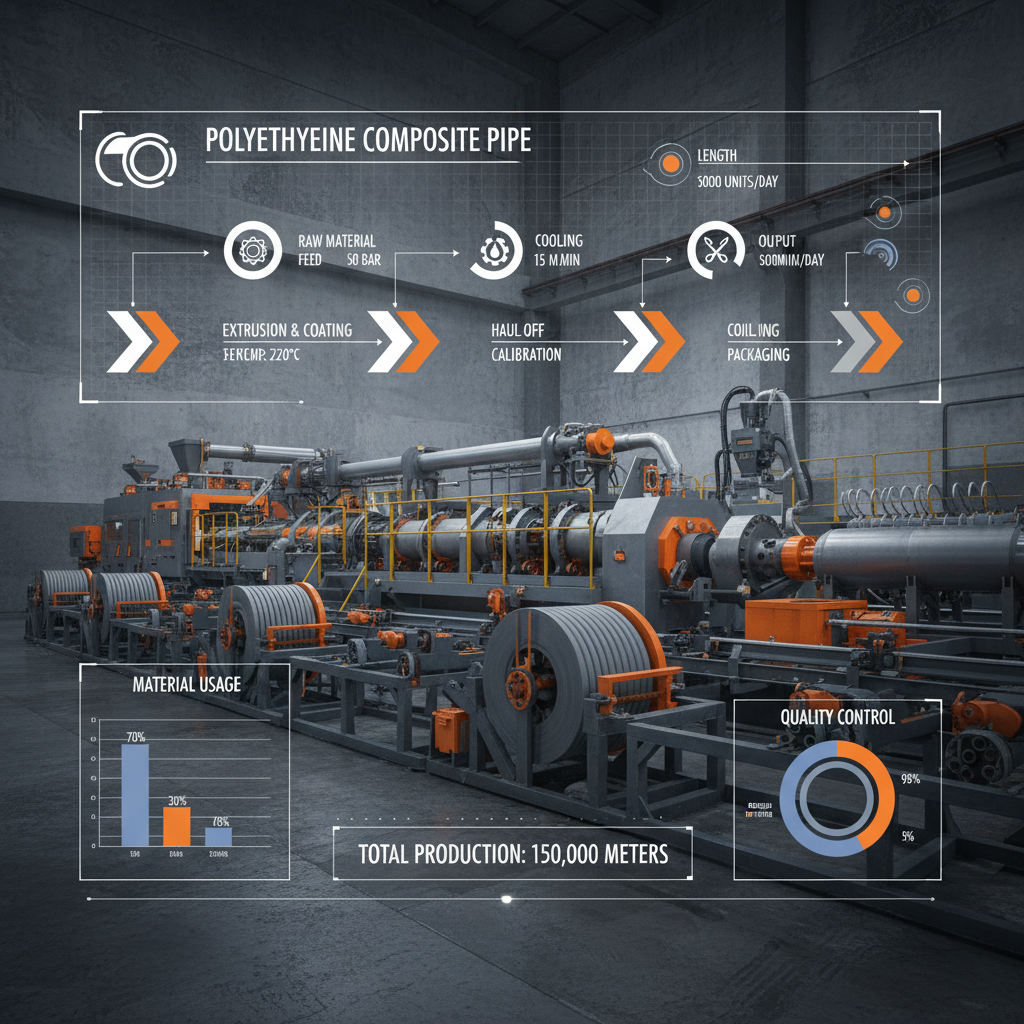
Conclusion: Optimizing for Performance and Sustainability
The pipe production line is a dynamic and evolving field. By embracing advanced technologies, prioritizing quality control, and focusing on sustainability, manufacturers can unlock significant efficiencies and deliver superior products. Investing in modern equipment and skilled personnel is crucial for maintaining a competitive edge in this demanding industry. AHDC11 stands as a reliable partner, offering cutting-edge solutions and expertise to meet the ever-changing needs of the pipe manufacturing sector.
Frequently Asked Questions (FAQs)
What are the key benefits of automating a pipe production line?
Automating a pipe production line offers numerous benefits, including increased throughput, reduced labor costs, improved product quality, and enhanced safety. Automated systems can operate continuously with minimal human intervention, leading to higher production volumes. Furthermore, automation minimizes the risk of human error, resulting in more consistent and reliable products. Precise control over process parameters ensures that pipes meet stringent quality standards. Finally, removing workers from hazardous tasks improves workplace safety.
How important is non-destructive testing (NDT) in pipe production?
Non-destructive testing (NDT) is critically important in pipe production. NDT methods, such as ultrasonic testing, radiographic testing, and magnetic particle inspection, allow manufacturers to detect defects without damaging the pipe. This ensures that only pipes meeting the required quality standards are shipped to customers. Identifying and removing defective pipes prevents failures in the field, protecting infrastructure and ensuring safety.
What are the common coating materials used in pipe production?
Common coating materials used in pipe production include epoxy coatings, polyurethane coatings, polyethylene coatings, and fusion-bonded epoxy (FBE) coatings. These coatings provide corrosion resistance, protect against abrasion, and enhance the durability of the pipes. The choice of coating material depends on the operating environment, the type of fluid being transported, and the required lifespan of the pipe.
What role does data analytics play in optimizing pipe production?
Data analytics plays a crucial role in optimizing pipe production by providing insights into process performance, identifying bottlenecks, and predicting potential issues. By collecting and analyzing data from various stages of the production line, manufacturers can identify areas for improvement and implement data-driven solutions. Predictive maintenance, enabled by data analytics, helps prevent unexpected downtime and reduce maintenance costs.
-
High Efficiency PE Extrusion Line Guide for Plastic ManufacturingNewsApr.16,2026
-
High Speed Steel Wire Mesh HDPE Composite Pipe Production Line - Anhui Dongchai|High Automation&Energy EfficiencyNewsApr.13,2026
-
High Speed Steel Wire Mesh HDPE Composite Pipe Production Line - Anhui Dongchai|High Automation&Energy EfficiencyNewsApr.13,2026
-
Guide to Choosing High Efficiency ppr pipe extrusion machineNewsApr.09,2026
-
Choosing the Right Extrusion Pipe Machine for Optimal Plastic Pipe ProductionNewsApr.04,2026
-
Comprehensive Guide to PPR Pipe Extrusion Line Technology and ApplicationsNewsMar.31,2026
-
Understanding the Functionality and Applications of a Pipe Extruder SystemNewsMar.28,2026


