

The Essentials of Extruder Screw and Barrel: Powering Industry Worldwide
Whether you realize it or not, the extruder screw and barrel are silent heroes of modern manufacturing, found behind the scenes of countless products and materials we use daily. Understanding their design and function does more than satisfy curiosity—it unlocks insights about how industries from plastics to food, and even humanitarian aid, efficiently produce needed goods globally. With their pivotal role in extrusion technology, these components not only improve productivity but also contribute significantly to sustainability and cost savings worldwide.
Introduction: The Global Relevance of Extruder Screw and Barrel
Globally, the plastics and polymer processing industry alone was valued at over $600 billion USD in recent years, growing steadily annually. According to ISO standards on manufacturing equipment, extrusion technologies remain fundamental to this growth. The extruder screw and barrel at the heart of these processes ensure material consistency, throughput, and energy efficiency. Yet, challenges such as wear resistance, process optimization, and environmental impact persist, demanding ongoing innovation. In humanitarian contexts, extrusion systems are being adapted for fast, scalable production of shelter components and packaging, emphasizing the universal utility of these parts.
What Is an Extruder Screw and Barrel?
Simply put, the extruder screw is a helical shaft that rotates inside a cylindrical barrel. Together, they convey, mix, and compact raw materials—often polymers or food substances—under heat and pressure to produce a continuous shaped product. This simple yet elegant mechanism converts raw feedstock into everything from plastic pipes to pet food kibble. Its industrial implications are massive, linking innovation with the essential human needs for durable materials and efficient resource use.
Key Features That Define Performance
Durability and Material Composition
Extruder screws and barrels must endure intense friction, heat, and chemical exposure. Most are crafted from specialized tool steels and sometimes coated with materials like chrome or tungsten carbide to extend lifespan and reduce maintenance downtime.
Precision Engineering
The geometry of the screw—pitch, depth, flight angle—directly controls the extrusion process. Even slight deviations can affect product quality and energy consumption. Modern CNC machining plus advanced design software allow manufacturers to meet tight tolerances consistently.
Scalability and Adaptability
Depending on application scale, extruder screws vary from small-lab units to massive industrial-size assemblies. Modularity allows swapping barrels or screws to accommodate different materials or throughput demands, a feature critical in diverse industries.
Cost Efficiency and Energy Use
Efficient extrusion systems reduce energy and raw material waste, which not only lowers operational costs but also aligns with global sustainability goals. Optimization here has direct global economic and environmental benefits.
Global Applications & Real-World Use Cases
Across continents, extruder screws and barrels find roles in:
- Plastic recycling plants: turning scrap into reusable pellets.
- Food processing: shaping pasta or snack pellets with consistent texture.
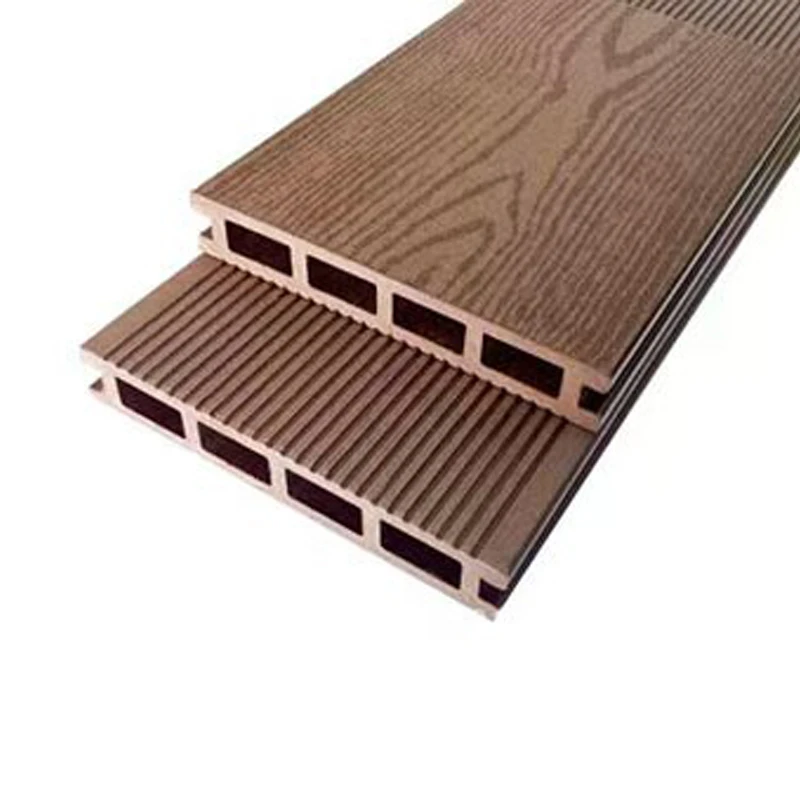
- Humanitarian projects: rapid manufacture of shelter components using extrusion-formed panels, vital in refugee camps or disaster zones.
- Automotive and aerospace: fabricating lightweight composite profiles used in fuel-efficient vehicles.
For example, in Southeast Asia, extrusion technologies support growing plastic recycling efforts vital for reducing ocean pollution — a real-life impact from engineering nuance.
Advantages & Long-Term Value of Extruder Screws and Barrels
There are multiple tangible benefits that explain why so many industries bank on these components:
- Reliability: Well-designed screws and barrels minimize downtime, crucial for high-output manufacturing.
- Cost-effectiveness: Extending equipment lifespan reduces capital expenditures.
- Sustainability: Efficient processing cuts energy use and material waste, supporting greener supply chains.
- Safety and product quality: Consistency means less defective batches, enhancing consumer trust.
- Innovation enablement: New coatings or materials allow processing of challenging polymers or bio-based materials, pushing industry boundaries.
Product Specifications at a Glance
| Specification | Typical Values | Notes |
|---|---|---|
| Material | Tool steel, Chromium coated | For wear resistance |
| Screw Diameter | 20 - 200 mm | Depends on capacity |
| Screw Design | Single / Twin / Multi-flight | Tailored for material flow |
| Barrel Length-to-Diameter Ratio | 20:1 to 36:1 | Affects pressure and melting |
| Operating Temp | Up to 400°C | Material-dependent |
Vendor Comparison: Choosing the Right Extruder Screw and Barrel Supplier
| Vendor | Material Quality | Customization | Delivery Time | Price Range |
|---|---|---|---|---|
| Apex Engineering | High-grade steel with chrome plating | Fully custom screw profiles | 4-6 weeks | $$$ |
| Global Extrusions | Tool steel, tungsten carbide options | Standard & semi-custom | 3-5 weeks | $$ |
| Precision Screws Ltd. | Nitride coating for wear resistance | Custom to tightest specs | 6-8 weeks | $$$$ |
Emerging Trends & Innovations
Technological advances point to a future where extruder screw and barrels are not just more durable but smarter. Digital twins simulate wear to predict maintenance, while new ceramic and composite coatings promise orders of magnitude longer lifespans. Automating production with AI-assisted machining also reduces lead times. Sustainability continues to push bio-based polymers that require retooling extrusion equipment for gentler processing—exciting stuff for those engineering quietly behind the scenes.
Challenges and How Experts Overcome Them
Despite their robustness, extruder screws and barrels face issues like abrasion, corrosion, and dimensional instability under extreme conditions. Engineers combat this with innovative coatings, pre-stressed barrel construction, and adopting modular designs to swap worn components without costly downtime. It’s a field where material science and mechanical design meet head-on. Indeed, consulting experts and continuous testing are crucial to reliable operations—so don’t underestimate the importance of quality sourcing.
FAQ: Extruder Screw and Barrel Basics
- Q: What factors should I consider when selecting an extruder screw and barrel?
- A: Material compatibility, throughput requirements, wear resistance, and the type of product you intend to make are crucial. Also, consider customization options for screw design to optimize performance.
- Q: How often do extruder screws and barrels need replacement?
- A: This varies on application, material, and operating conditions; they can last from months to several years. Regular inspection helps avoid unexpected failures.
- Q: Can these components be recycled or refurbished?
- A: Yes, some vendor programs offer refurbishment or recycling, which helps reduce environmental footprint and cost over time.
- Q: Are all extruder screws compatible across different machines?
- A: Not necessarily—compatibility depends on machine dimensions and screw/barrel design, so verify specs carefully.
- Q: How can NGOs procure extrusion equipment for humanitarian projects?
- A: NGOs typically partner with specialized vendors offering modular, rapidly deployable extrusion units designed for low-infrastructure environments. International shipping and local training are often built into these programs.
Conclusion
In real terms, getting to grips with extruder screw and barrel technology means appreciating how precision engineering pumps life into worldwide manufacturing and humanitarian solutions alike. The long-term benefits—economical operation, sustainability, and dependable performance—cannot be overstated. For those interested in exploring tailored solutions, or upgrading your extrusion components, visit our website for comprehensive expertise and support.
Mini takeaway: The extruder screw and barrel might seem like humble parts, but they truly fuel the engines of industry and innovation globally.
References
-
High Efficiency PE Extrusion Line Guide for Plastic ManufacturingNewsApr.16,2026
-
High Speed Steel Wire Mesh HDPE Composite Pipe Production Line - Anhui Dongchai|High Automation&Energy EfficiencyNewsApr.13,2026
-
High Speed Steel Wire Mesh HDPE Composite Pipe Production Line - Anhui Dongchai|High Automation&Energy EfficiencyNewsApr.13,2026
-
Guide to Choosing High Efficiency ppr pipe extrusion machineNewsApr.09,2026
-
Comprehensive Guide to Modern Pipe Production Line Technologies and OptimizationNewsApr.07,2026
-
Choosing the Right Extrusion Pipe Machine for Optimal Plastic Pipe ProductionNewsApr.04,2026
-
Comprehensive Guide to PPR Pipe Extrusion Line Technology and ApplicationsNewsMar.31,2026


