
Understanding Extruder Screw Price: A Comprehensive Guide
The extruder screw is a critical component in the plastics processing industry, responsible for melting and conveying plastic materials. Understanding the factors that influence extruder screw price is essential for making informed purchasing decisions. This article will explore those factors, providing insights into cost variations and helping you navigate the market effectively. Choosing the right screw impacts product quality, production efficiency and overall profitability. We'll delve into materials, design, and manufacturing processes that contribute to the final price.
Key Factors Influencing Extruder Screw Price
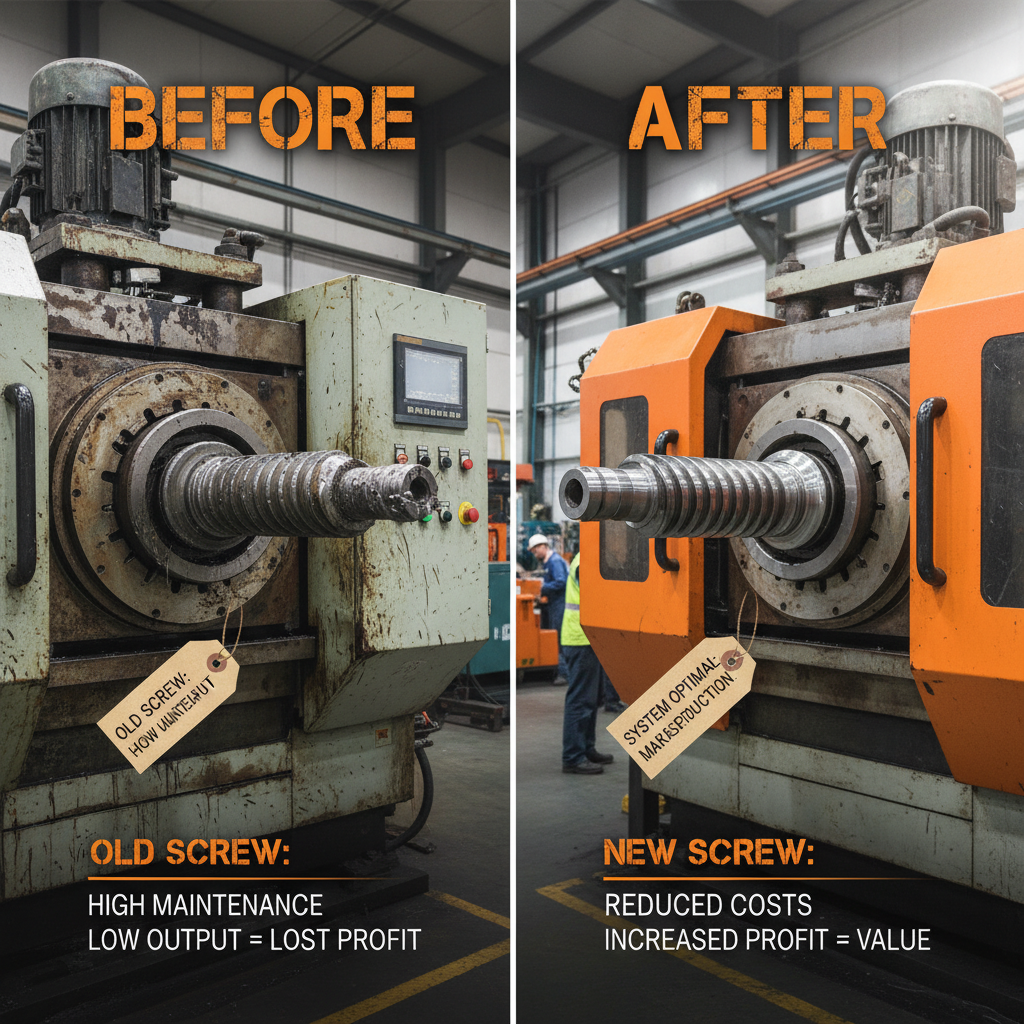
Several elements contribute to the overall cost of an extruder screw. The material used is a primary driver, with options ranging from basic tool steel to more specialized and durable alloys. The screw's design complexity, including flight pitch, root diameter, and the presence of mixing elements, also significantly impacts the price. Larger screws naturally cost more due to increased material requirements and machining time. Furthermore, the manufacturer's reputation, location, and the level of customization requested all play a role in determining the final price. Quality control measures and post-processing treatments also contribute to the total cost. Understanding these factors empowers buyers to negotiate effectively and select the best screw for their specific needs.
Key Highlights: Material selection, design complexity, size, manufacturer reputation, and customization are the primary factors affecting extruder screw pricing.
Material Choices and Their Impact on Cost
The material used in an extruder screw is a crucial determinant of its price and performance. Common materials include tool steel (like 4140), stainless steel (like 420), and specialized alloys such as CPM 3V. Tool steel is the most affordable option, suitable for processing less abrasive plastics. Stainless steel offers improved corrosion resistance, making it ideal for processing materials with fillers or additives. CPM 3V and other high-speed steels provide exceptional wear resistance and toughness, making them suitable for demanding applications and abrasive materials like glass-filled polymers. Each material’s price reflects its inherent properties and the difficulty of machining it. Higher-grade materials will invariably command a higher price but offer extended screw life and reduced downtime.
Material Comparison:
• Tool Steel (4140): Lowest cost, suitable for non-abrasive plastics.
• Stainless Steel (420): Moderate cost, good corrosion resistance.
• CPM 3V: Highest cost, exceptional wear resistance for abrasive materials.
Extruder Screw Price Based on Screw Diameter and Length
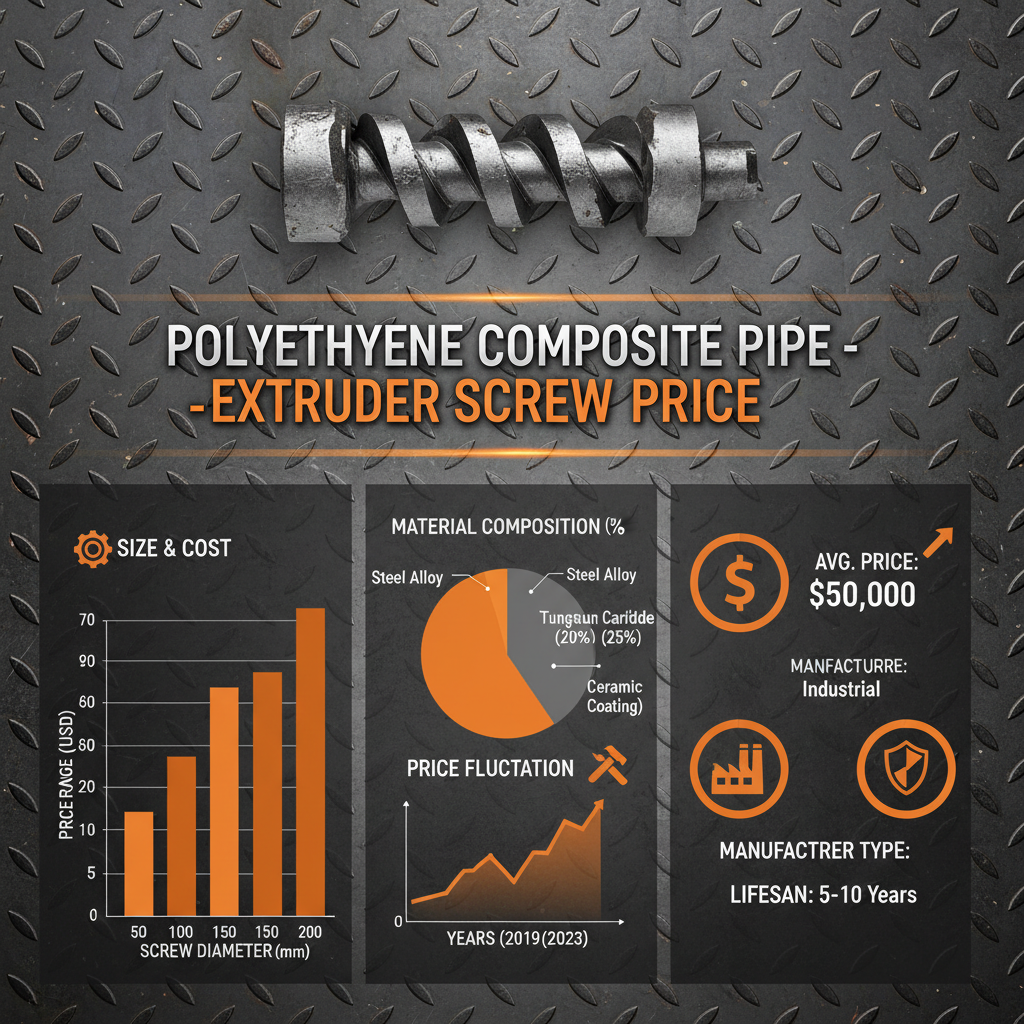
The physical dimensions of the extruder screw are directly proportional to its price. Larger diameter screws require more material and more extensive machining, leading to higher costs. Similarly, longer screws will also be more expensive. The table below provides a general price range based on screw diameter, assuming a standard material like tool steel. These prices are estimates and can vary depending on the specific design and manufacturer. Contact AHDC11 for a customized quote.
Customization and Complex Designs: Adding to the Cost
Beyond material and size, the complexity of the screw's design directly impacts the extruder screw price. Designs incorporating complex mixing elements, barrier screws, or specialized flight configurations require more intricate machining and precision engineering, increasing manufacturing time and costs. Customized screws tailored to specific polymers or applications also carry a premium. Features like bi-metallic screws, offering enhanced wear resistance in localized areas, further contribute to the overall expense. The more unique and specialized the design, the higher the price point will be. Therefore, clearly defining your processing needs is crucial to optimizing the screw's design and cost.
Choosing a Reliable Manufacturer: AHDC11 Advantage
Selecting a reputable manufacturer is paramount when investing in an extruder screw. A company with a proven track record, experienced engineers, and stringent quality control procedures will deliver a superior product and long-term value. AHDC11 specializes in the design and manufacture of high-quality extruder screws, offering customized solutions to meet diverse processing requirements. We prioritize precision machining, durable materials, and rigorous testing to ensure optimal performance and longevity. Our commitment to customer satisfaction and competitive pricing makes us a trusted partner in the plastics processing industry.
Conclusion: Making an Informed Decision
The extruder screw is a critical investment in your plastics processing operation. By understanding the factors that influence extruder screw price, you can make an informed decision and select a screw that delivers optimal performance, durability, and value. Don't hesitate to contact AHDC11 today to discuss your specific needs and receive a customized quote.
Frequently Asked Questions (FAQs)
What is the typical lead time for a custom extruder screw?
Lead times can vary depending on the complexity of the design, material availability, and current production workload. Generally, a standard custom screw can be delivered within 6-8 weeks. More complex designs or those requiring specialized materials may take 8-12 weeks or longer. We at AHDC11 strive to provide accurate lead time estimates during the quoting process and keep clients updated on the progress of their order. Clear communication and timely order placement are essential to ensure a smooth and efficient process.
What warranties are offered on AHDC11 extruder screws?
AHDC11 provides a standard warranty of 12 months against defects in materials and workmanship. This warranty covers the cost of repair or replacement of the screw if a defect is identified under normal operating conditions. The warranty does not cover damage caused by improper use, maintenance, or wear and tear. We stand behind the quality of our products and are committed to providing excellent customer support.
Can AHDC11 assist with screw design and optimization?
Yes, AHDC11 offers comprehensive design and optimization services. Our experienced engineers can work with you to design a screw tailored to your specific polymer, processing conditions, and output requirements. We use advanced simulation software to optimize screw geometry and ensure maximum performance. We can also analyze existing screw designs to identify areas for improvement and enhance processing efficiency. Contact us for details on our design services.
What maintenance is required for an extruder screw?
Regular maintenance is crucial for extending the life of your extruder screw. This includes cleaning the screw after each use to remove residual polymer, inspecting for wear and damage, and lubricating moving parts. Avoid using abrasive cleaners that can damage the screw's surface. Depending on the material processed, periodic refurbishment or re-tipping may be necessary to restore the screw's optimal performance. Proper maintenance ensures consistent processing quality and minimizes downtime.
-
High Efficiency PE Extrusion Line Guide for Plastic ManufacturingNewsApr.16,2026
-
High Speed Steel Wire Mesh HDPE Composite Pipe Production Line - Anhui Dongchai|High Automation&Energy EfficiencyNewsApr.13,2026
-
High Speed Steel Wire Mesh HDPE Composite Pipe Production Line - Anhui Dongchai|High Automation&Energy EfficiencyNewsApr.13,2026
-
Guide to Choosing High Efficiency ppr pipe extrusion machineNewsApr.09,2026
-
Comprehensive Guide to Modern Pipe Production Line Technologies and OptimizationNewsApr.07,2026
-
Choosing the Right Extrusion Pipe Machine for Optimal Plastic Pipe ProductionNewsApr.04,2026
-
Comprehensive Guide to PPR Pipe Extrusion Line Technology and ApplicationsNewsMar.31,2026


