
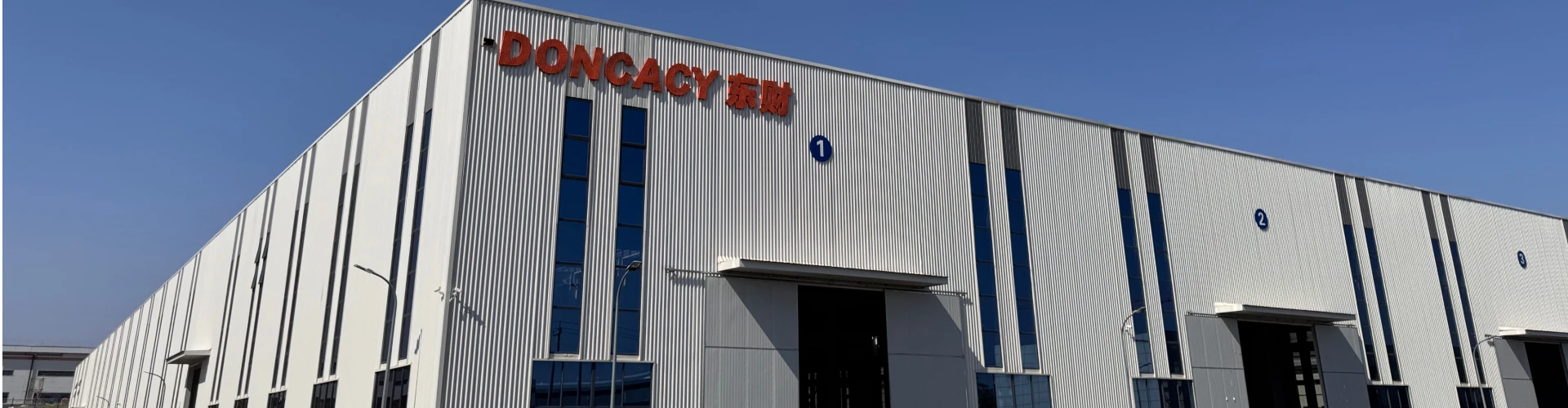
Inside a Polyethylene Pipe Production Line: notes from the floor in Anhui
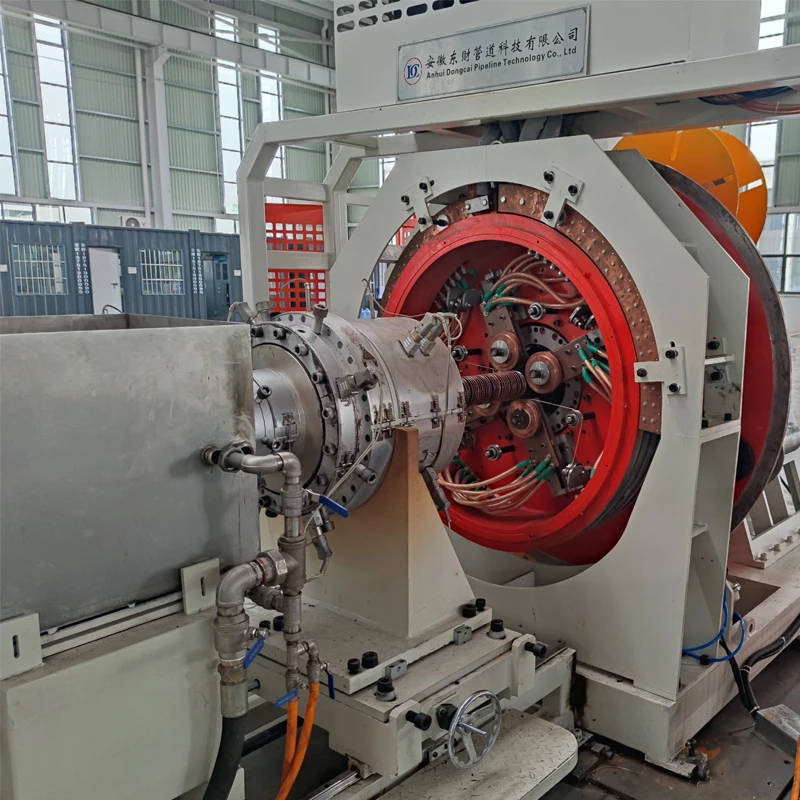
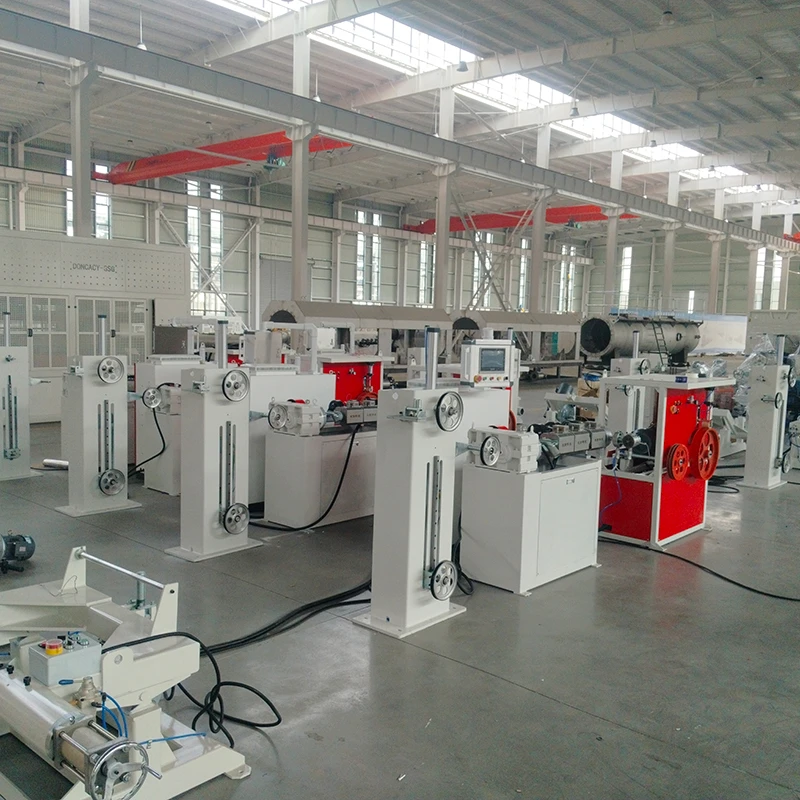
I spent a day at No. 26 Huzhou Road, Nanqiao District, Chuzhou, Anhui Province, walking the line where the Hdpe High Speed And High Efficiency Extrusion Production Line hums from first shift to nightfall. To be honest, the pace surprised me—automation is doing the heavy lifting, but the craft is still in the details: resin handling, melt homogeneity, calibration, and cooling discipline. Many customers say the machines feel “set-and-forget,” yet the best output still comes from teams that care about the fine print.
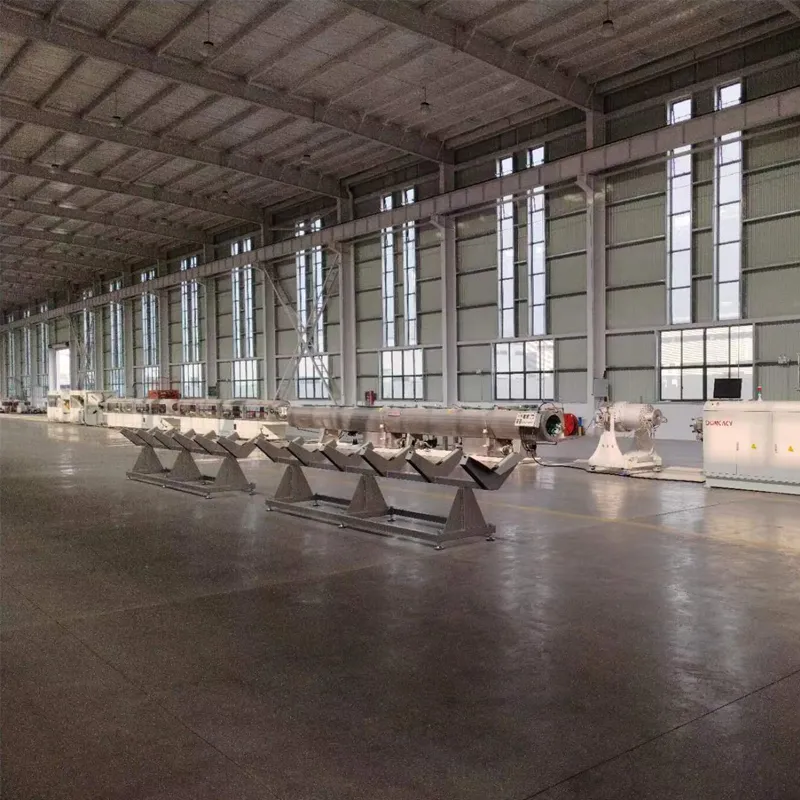
What’s trending (and why it matters)
Across water, agriculture, and industrial drainage, buyers are pushing for lower kWh/kg, faster die changes, and documented compliance (ISO, EN, ASTM). Actually, the tone has shifted: fewer demos, more spreadsheets. Procurement wants traceable materials, melt data at hand, and verified hydrostatic testing. The good news? Today’s Polyethylene Pipe Production Line can log production recipes and export QA packets straight to ERP. That’s the real battleground—quality data at speed.
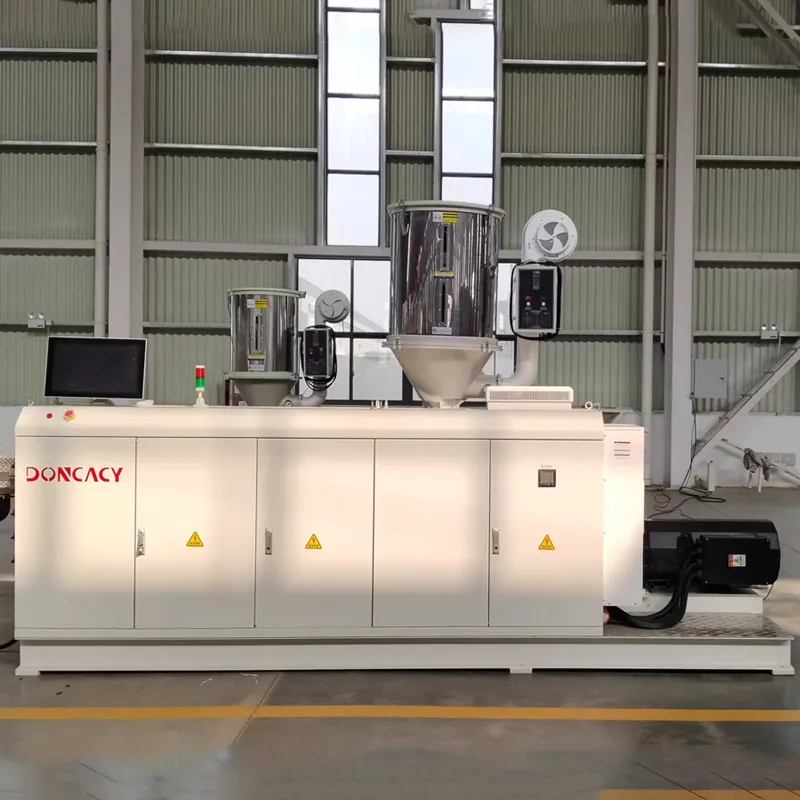
Process flow (how the sausage is made)
- Materials: PE100/PE80 virgin resin with UV stabilizers; optional recycled blends (carefully qualified).
- Feeding & Drying: Gravimetric dosing; hopper drying when humidity spikes.
- Extrusion: High-torque single-screw; barrier screw for melt homogeneity; melt temp ≈ 200–230°C.
- Vacuum calibration: Multi-chamber sizing for ovality control.
- Cooling: Cascade and spray tanks; closed-loop water, conductivity monitored.
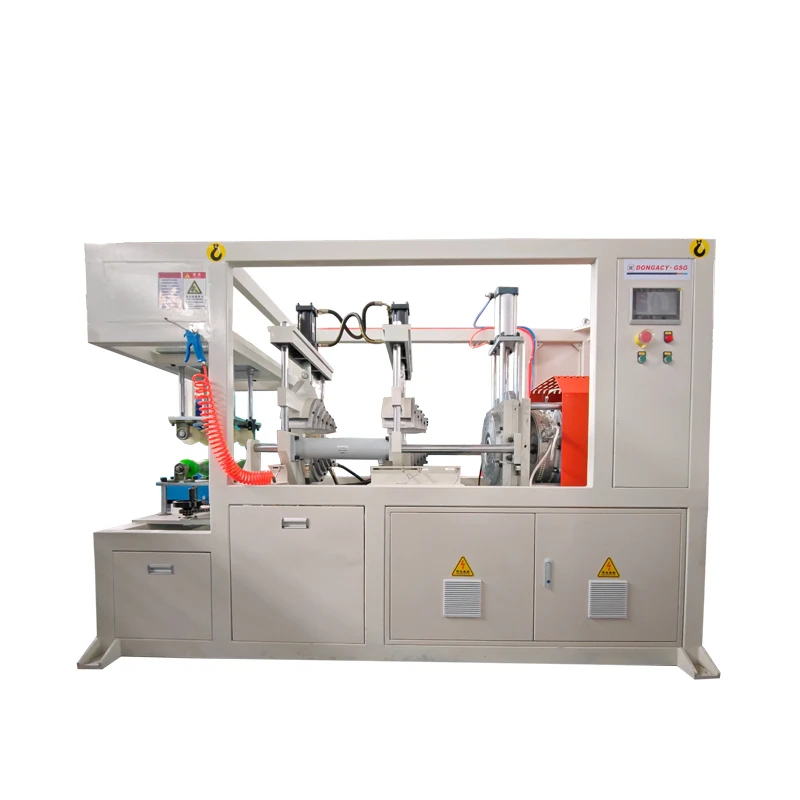
- Haul-off & Cutting: Caterpillar haul-off; planetary cutter; dust extraction on board.
- Coiling/Handling: For small diameters; large bores via pipe stands.
- Testing: On-line ultrasonic thickness, spark testing (when applicable), print marking with date/batch.
Standards referenced on the line include ISO 4427/EN 12201 for water and ASTM F714 for industrial/pressure. Hydrostatic qualification follows ISO 1167; butt fusion procedures align with ISO 21307. Service life? With PE100 pipes produced on a stable Polyethylene Pipe Production Line and installed correctly, you’re realistically looking at ≈50 years for water-gas infrastructure (real-world use may vary).
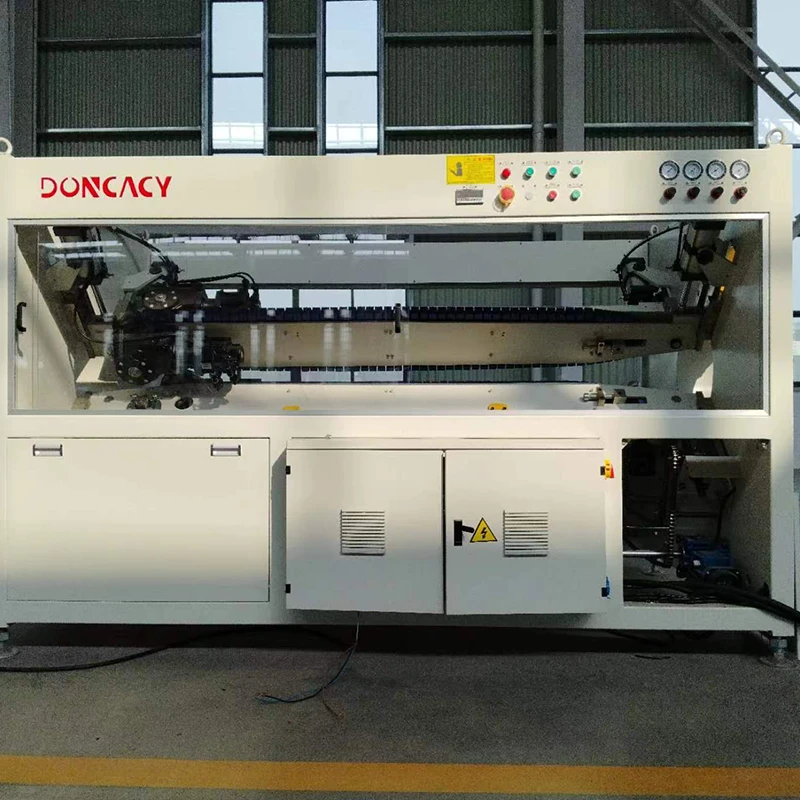
Product snapshot: HDPE High-Speed/High-Efficiency Line
| Spec | Typical Value (≈) |
|---|---|
| Pipe Range | Ø 20–630 mm (custom up to 1200 mm) |
| Extruder | High-torque single-screw, barrier design |
| Output | ≈ 350–900 kg/h (resin and die dependent) |
| Line Speed | Up to 1.5–25 m/min (by diameter) |
| Energy | ≈ 0.28–0.45 kWh/kg |
| Controls | PLC + HMI, recipe library, SPC export |
| Compliance | ISO 4427, EN 12201, ASTM F714 (pipe) |
Application scenarios: municipal drainage, agriculture irrigation, building sewage, chemical and petroleum lines, sand pumping, and trenchless pipe jacking. The machine’s automation keeps throughput steady; operators told me changeover is “surprisingly painless” once you dial in the die centering.
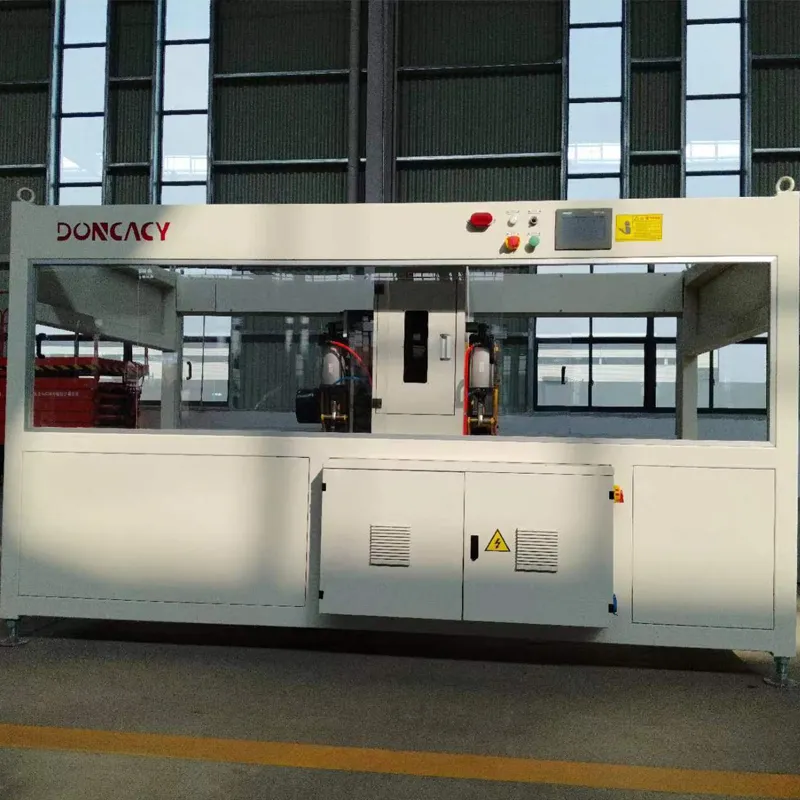
Vendor comparison (real-world buyer questions)
| Criteria | This Line (Anhui) | European Brand A | Low-Cost OEM |
|---|---|---|---|
| Output | High (≈900 kg/h) | High (≈1,000 kg/h) | Medium (≈500–700 kg/h) |
| Energy | 0.3–0.45 kWh/kg | 0.28–0.40 kWh/kg | 0.45–0.60 kWh/kg |
| Controls | PLC/HMI + SPC | PLC/HMI + MES | Basic PLC |
| After-sales | Remote + onsite within SLA | Global network | Variable |
| Lead Time | ≈ 6–10 weeks | ≈ 10–16 weeks | ≈ 4–8 weeks |
| Price | Mid | High | Low |
| Warranty | 12–18 months | 24 months | 6–12 months |
Testing, certifications, feedback
In-plant test data I reviewed: OIT at 200°C > 20 min; MFR stability within ±5% batch-to-batch; ovality ≤ 1%; hydrostatic per ISO 1167 (20°C/100 h/12.4 MPa and 80°C/165 h/5.4 MPa) passed. Machine CE/ISO 9001 documented; pipe compliance labeling supports ISO 4427/EN 12201/ASTM F714 print lines. A municipal buyer told me, “Documentation was clean—the inspector signed off without drama,” which, frankly, is what you want.
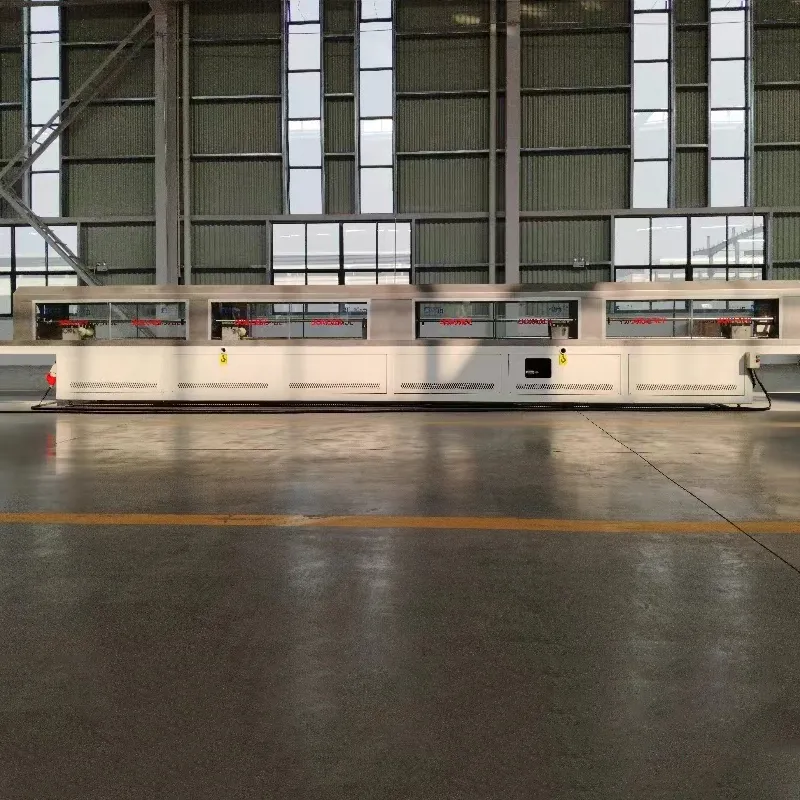
Customization & a quick case
Options include multi-layer co-ex, larger bore (up to ≈1200 mm), offline belling, enhanced SCR-RCP control via temperature profiling, and ERP gateways. One case I liked: an agriculture client added gravimetric feeders and switched to PE100-RC; leak incidents dropped, and line speed for Ø110 mm rose from 10 m/min to ≈13 m/min after die re-optimization. Small tweaks, big gains—that’s the arc with a good Polyethylene Pipe Production Line.
Citations
- ISO 4427-2: Polyethylene pipes for water supply. https://www.iso.org/standard/66548.html
- EN 12201: Plastics piping systems for water supply. https://standards.cencenelec.eu/
- ASTM F714: Polyethylene (PE) Plastic Pipe (SDR-PR). https://www.astm.org/f0714-13.html
- ISO 1167: Thermoplastics pipes—Resistance to internal pressure. https://www.iso.org/standard/55985.html
- ISO 21307: Plastic pipes—Butt fusion jointing procedures. https://www.iso.org/standard/68936.html
-
High Efficiency PE Extrusion Line Guide for Plastic ManufacturingNewsApr.16,2026
-
High Speed Steel Wire Mesh HDPE Composite Pipe Production Line - Anhui Dongchai|High Automation&Energy EfficiencyNewsApr.13,2026
-
High Speed Steel Wire Mesh HDPE Composite Pipe Production Line - Anhui Dongchai|High Automation&Energy EfficiencyNewsApr.13,2026
-
Guide to Choosing High Efficiency ppr pipe extrusion machineNewsApr.09,2026
-
Comprehensive Guide to Modern Pipe Production Line Technologies and OptimizationNewsApr.07,2026
-
Choosing the Right Extrusion Pipe Machine for Optimal Plastic Pipe ProductionNewsApr.04,2026
-
Comprehensive Guide to PPR Pipe Extrusion Line Technology and ApplicationsNewsMar.31,2026


