
Understanding the Plastic Extruder Price: A Comprehensive Guide
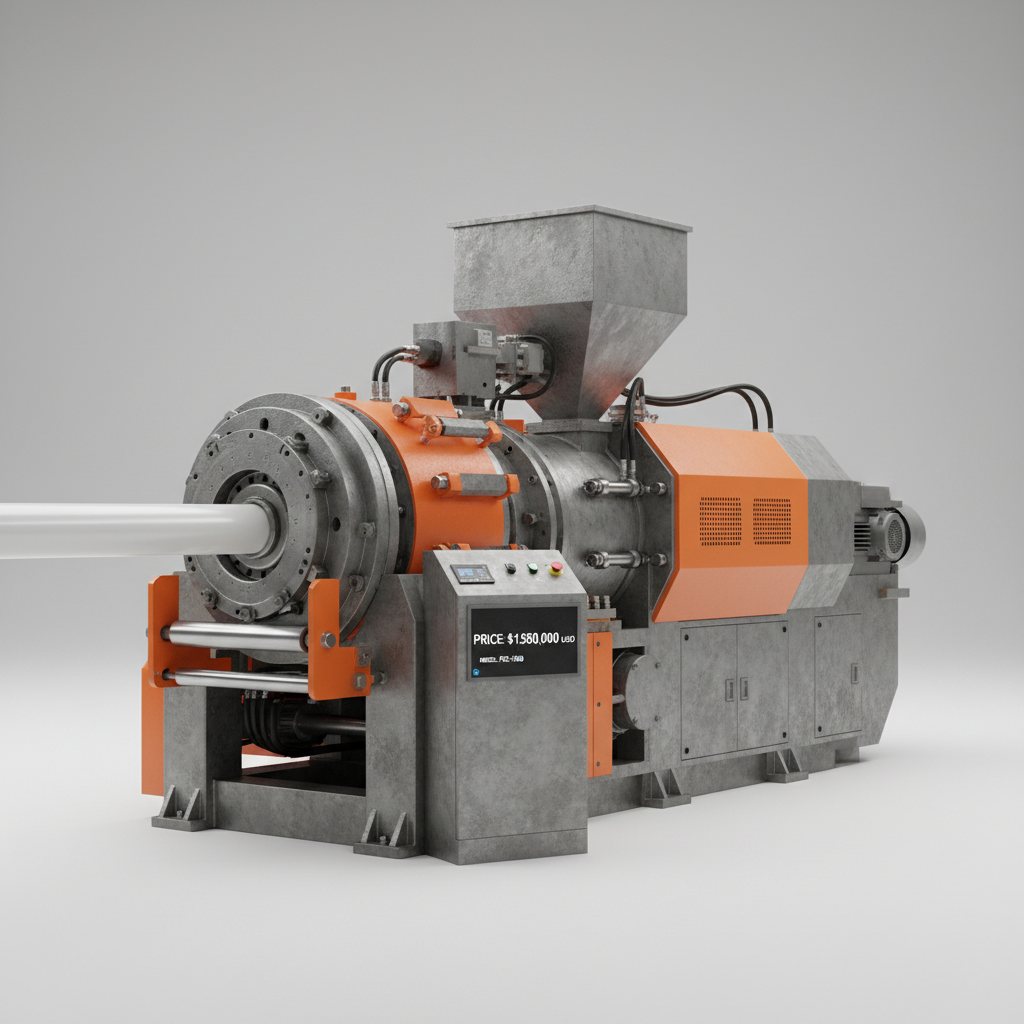
Investing in a plastic extruder is a significant decision for any business involved in plastics manufacturing. The plastic extruder price can vary considerably based on factors like capacity, automation level, and manufacturer. This article will break down the key elements influencing extruder costs, provide a price overview, and guide you through the process of selecting the right machine for your needs. Understanding the market and your specific requirements is crucial for maximizing your return on investment.
Factors Influencing Plastic Extruder Price
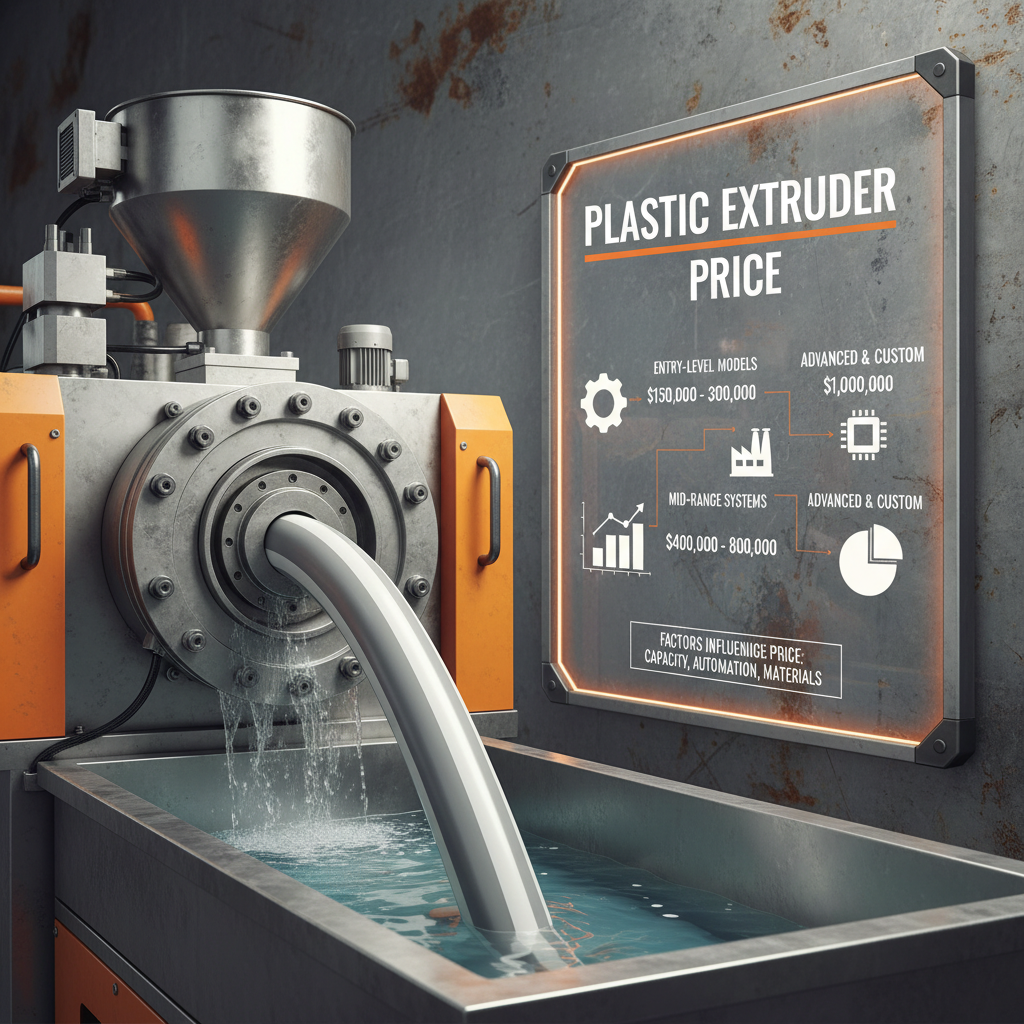
Several factors directly impact the plastic extruder price. Capacity is a major driver – larger extruders capable of higher output will naturally be more expensive. The level of automation also plays a role; fully automated extruders with PLC controls and integrated monitoring systems command a premium. The screw design, barrel material, and die configuration contribute to the cost. Finally, the manufacturer's reputation and quality of after-sales service also influence pricing. Consider these aspects when budgeting for your extrusion needs.
Key Considerations: Capacity, Automation, Screw Design, Manufacturer Reputation, After-Sales Service.
Common Types of Plastic Extruders and Their Price Ranges
Different types of plastic extruders cater to specific materials and applications. Single-screw extruders are the most common and versatile, suitable for a wide range of thermoplastics. Twin-screw extruders offer better mixing and are ideal for complex formulations and sensitive materials. Film blowing extruders are specialized for producing plastic films, while pipe extruders are designed for manufacturing plastic pipes. The plastic extruder price differs significantly based on the type and specifications.
Extruder Type Price Overview:
• Single Screw Extruder: $20,000 - $150,000+
• Twin Screw Extruder: $50,000 - $300,000+
• Film Blowing Extruder: $30,000 - $200,000+
• Pipe Extruder: $40,000 - $250,000+
Detailed Price Comparison: Single Screw vs. Twin Screw Extruders
Choosing between a single screw and twin screw extruder is a crucial decision. Single screw extruders are generally more affordable and simpler to operate, making them suitable for basic extrusion tasks. Twin screw extruders offer superior mixing capabilities and are better for processing complex materials, but come at a higher plastic extruder price. Below is a detailed comparison:
Finding the Right Supplier and Negotiating Price
Sourcing from a reputable supplier is crucial for ensuring quality and reliability. AHDC11 offers a wide range of plastic extruders with competitive pricing. Don’t hesitate to request quotes from multiple suppliers and compare specifications, warranties, and after-sales support. Negotiation is often possible, especially for larger orders or long-term partnerships. Clearly define your requirements and be prepared to discuss your budget upfront.
Understanding Total Cost of Ownership
The plastic extruder price is only one component of the total cost of ownership. Consider factors like installation costs, training expenses, maintenance requirements, energy consumption, and potential downtime. Choosing a reliable machine with readily available spare parts and a comprehensive service network can significantly reduce long-term costs. Investing in a slightly more expensive extruder upfront could save you money in the long run through increased efficiency and reduced maintenance.
Conclusion: Making an Informed Extruder Investment
Carefully evaluating your needs, comparing prices, and considering the total cost of ownership are essential steps in selecting the right plastic extruder. AHDC11 is a trusted partner for businesses seeking high-quality extruders and expert support. A well-chosen extruder will streamline your production process, improve product quality, and contribute to the long-term success of your business.
Frequently Asked Questions (FAQs)
What factors affect the lead time for a plastic extruder?
Lead times can vary depending on the extruder’s complexity, customization requirements, and the manufacturer’s current workload. Standard models with readily available components typically have shorter lead times (4-8 weeks). Highly customized extruders or those requiring specialized components may take 12-20 weeks or longer. It’s essential to discuss lead times with the supplier during the quoting process and factor this into your production planning. Supply chain disruptions can also affect lead times, so it's best to inquire about current conditions.
What kind of warranty do plastic extruder manufacturers typically offer?
Most reputable plastic extruder manufacturers offer a warranty of at least one year on their machines, covering defects in materials and workmanship. Some may offer extended warranties (2-3 years or more) for an additional cost. The warranty typically covers replacement parts and labor, but may not cover wear-and-tear items or damage caused by improper operation or maintenance. Carefully review the warranty terms and conditions before making a purchase.
What level of technical support is available after purchasing a plastic extruder?
Reliable technical support is crucial for maximizing the uptime and efficiency of your extruder. Manufacturers typically offer a range of support services, including installation assistance, operator training, troubleshooting guides, and remote diagnostics. Some may also offer on-site maintenance and repair services. Ensure the supplier provides prompt and responsive support to address any issues that may arise. AHDC11 provides comprehensive technical support to ensure our customers get the most out of their investments.
How can I minimize downtime with my plastic extruder?
Regular preventative maintenance is key to minimizing downtime. This includes lubricating moving parts, inspecting and replacing wear-and-tear components, and keeping the machine clean. Proper operator training is also essential to prevent damage caused by improper operation. Keeping a stock of critical spare parts on hand can significantly reduce downtime in case of unexpected failures. Regularly monitoring the extruder’s performance and addressing minor issues promptly can prevent them from escalating into major problems.
-
High Efficiency PE Extrusion Line Guide for Plastic ManufacturingNewsApr.16,2026
-
High Speed Steel Wire Mesh HDPE Composite Pipe Production Line - Anhui Dongchai|High Automation&Energy EfficiencyNewsApr.13,2026
-
High Speed Steel Wire Mesh HDPE Composite Pipe Production Line - Anhui Dongchai|High Automation&Energy EfficiencyNewsApr.13,2026
-
Guide to Choosing High Efficiency ppr pipe extrusion machineNewsApr.09,2026
-
Comprehensive Guide to Modern Pipe Production Line Technologies and OptimizationNewsApr.07,2026
-
Choosing the Right Extrusion Pipe Machine for Optimal Plastic Pipe ProductionNewsApr.04,2026
-
Comprehensive Guide to PPR Pipe Extrusion Line Technology and ApplicationsNewsMar.31,2026


