
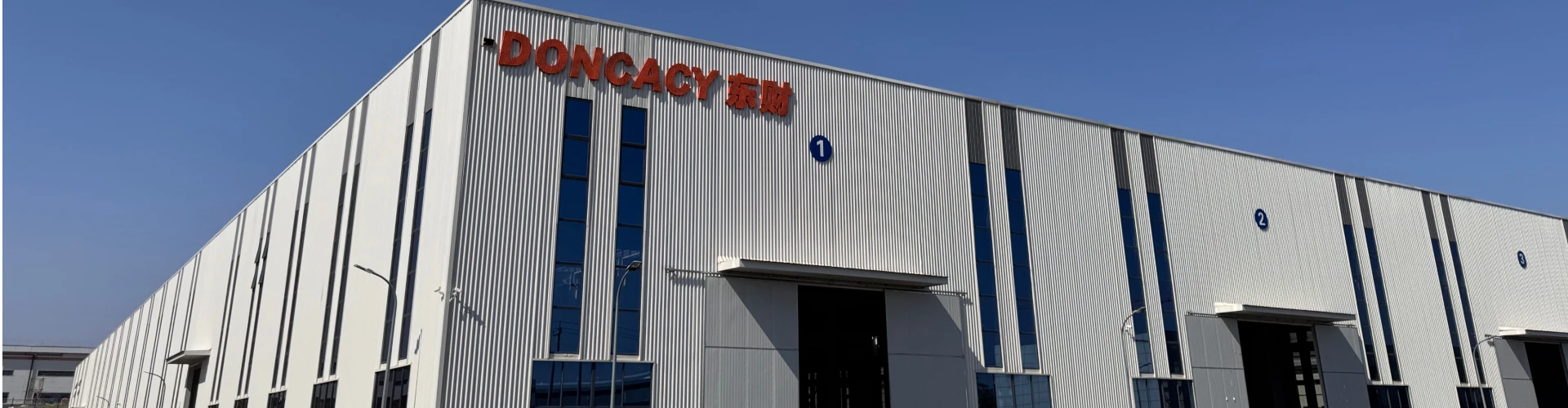
The Ultimate Guide to Choosing a High-Efficiency PE Extrusion Line
In the modern plastics manufacturing landscape, the efficiency of your production equipment directly dictates your market competitiveness. A professional pe extrusion line is the backbone of producing high-quality polyethylene pipes, sheets, and profiles. Whether you are venturing into the irrigation sector or urban infrastructure, understanding the technical nuances of the extrusion process is essential for reducing waste and increasing throughput. This guide provides a comprehensive analysis of the technology, operational advantages, and selection criteria for a state-of-the-art extrusion system to ensure your investment yields maximum ROI.
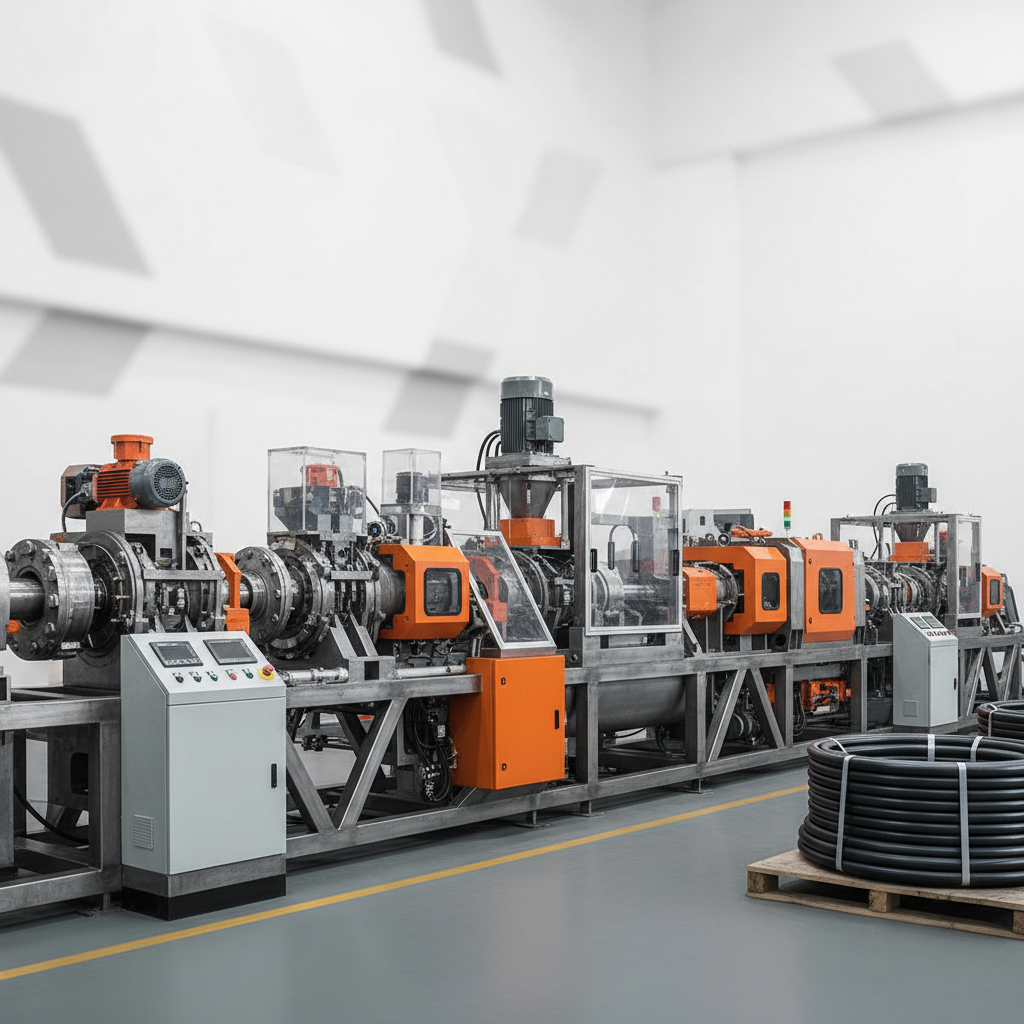
Core Components of a Professional PE Extrusion Line
A high-performance pe extrusion line consists of several integrated modules working in perfect synchronization. It begins with the feeding system, where raw PE granules are introduced. The heart of the system is the extruder, featuring a precision-engineered screw and barrel that melt and homogenize the polymer. Following the extruder, the die head shapes the molten plastic into the desired geometry. Finally, the vacuum calibration and cooling tanks ensure the product maintains its dimensional stability through controlled temperature reduction. Each component must be calibrated to prevent internal stresses and surface defects in the final product.
Industry Insight: Modern lines now integrate PLC automation, allowing operators to monitor pressure and temperature in real-time, significantly reducing the margin of human error during the startup phase.
Maximizing Throughput with Advanced PE Extrusion Line Tech
To achieve maximum output, manufacturers are shifting toward single-screw extruders with high L/D (Length to Diameter) ratios and barrier screw designs. These innovations improve the mixing capability of the pe extrusion line, ensuring that the melt is completely uniform before it reaches the die. Furthermore, the implementation of energy-saving AC motors and frequency converters allows for precise speed control, which is critical when producing thin-walled pipes that require high stability. By optimizing the heating zones and cooling efficiency, plants can increase their linear speed without compromising the structural integrity of the polyethylene material.
Comparing PE Extrusion Line Configurations
Choosing between different configurations of a pe extrusion line depends on your target end-product. For example, HDPE (High-Density Polyethylene) requires different pressure settings and cooling durations compared to LDPE (Low-Density Polyethylene). While standard lines are suitable for general purpose piping, heavy-duty lines are engineered for large-diameter industrial conduits. The following table illustrates the primary differences between standard and precision-engineered extrusion systems to help you determine the best fit for your production goals.
Operational Maintenance for Long-term Stability
To prevent unplanned downtime, a rigorous maintenance schedule for your pe extrusion line is non-negotiable. The most critical area is the screw and barrel, which can suffer from wear and tear over time due to the abrasive nature of some additives. Regular inspection of the heating bands and thermocouples ensures that the temperature profile remains consistent, avoiding "cold spots" that lead to material clumps. Additionally, the cooling water system should be treated to prevent scaling, which can reduce heat exchange efficiency. By implementing a predictive maintenance strategy, operators can extend the machine's lifespan by several years.
Technical Specifications of Modern PE Extrusion Lines
When evaluating a supplier for a pe extrusion line, you must look beyond the basic output rate. Key metrics such as the screw compression ratio, torque capacity, and energy consumption per kilogram of material are vital. For instance, a line designed for HDPE pipes will typically have a higher torque requirement to handle the increased viscosity. Below is a generalized specification table for a mid-range industrial extrusion line, providing a benchmark for your procurement process.
Conclusion: Elevating Production with a Quality PE Extrusion Line
Investing in a high-grade pe extrusion line is a strategic decision that impacts every stage of your manufacturing chain. From the initial selection of screw geometry to the final cooling stage, every detail contributes to the quality of the end product and the efficiency of your operations. By focusing on automation, precision cooling, and a strict maintenance regimen, you can ensure consistent quality and a significant competitive advantage in the plastics market. Choose a system that scales with your growth and adheres to the highest international standards.
Frequently Asked Questions (FAQs)
What are the main advantages of using a professional PE extrusion line over basic systems?
Professional systems offer superior melt homogenization, which eliminates structural weaknesses in the final product. They feature advanced vacuum calibration that ensures exact diameter tolerances and high-efficiency cooling tanks that reduce cycle times. Additionally, the integration of smart PLC controls allows for precise energy management and reduced material waste, leading to a lower cost-per-unit over the long term compared to basic, manual systems.
How do I choose the right screw diameter for my production needs?
The screw diameter is primarily determined by your required output capacity (kg/h) and the size of the final product. Larger diameters allow for higher volume output but require more power and a larger footprint. It is essential to balance the screw size with the motor torque and the capacity of the downstream cooling system. We recommend consulting with technical experts at ahdc11.com to perform a capacity calculation based on your specific material grade and production targets.
Can one PE extrusion line handle both HDPE and LDPE materials?
Technically, yes, but with caveats. HDPE and LDPE have different melting points and viscosities. To switch materials, you must completely purge the barrel to avoid contamination and adjust the temperature profile of the heating zones. Furthermore, the die head and calibration sleeves may need to be swapped depending on the shrink rate of the material. For factories producing both in high volumes, having dedicated lines or highly flexible modular heads is the most efficient approach to ensure quality.
What is the impact of cooling speed on the final product quality?
Cooling speed is critical for determining the crystallinity of the polyethylene. If the material is cooled too quickly, it can lead to internal stresses and warping. If cooled too slowly, the production line speed must decrease, reducing efficiency. A professional pe extrusion line uses a multi-stage cooling process—starting with vacuum calibration and moving to spray cooling—to ensure the product is cooled uniformly from the inside out, maintaining dimensional accuracy.
-
High Speed Steel Wire Mesh HDPE Composite Pipe Production Line - Anhui Dongchai|High Automation&Energy EfficiencyNewsApr.13,2026
-
High Speed Steel Wire Mesh HDPE Composite Pipe Production Line - Anhui Dongchai|High Automation&Energy EfficiencyNewsApr.13,2026
-
Guide to Choosing High Efficiency ppr pipe extrusion machineNewsApr.09,2026
-
Comprehensive Guide to Modern Pipe Production Line Technologies and OptimizationNewsApr.07,2026
-
Choosing the Right Extrusion Pipe Machine for Optimal Plastic Pipe ProductionNewsApr.04,2026
-
Comprehensive Guide to PPR Pipe Extrusion Line Technology and ApplicationsNewsMar.31,2026
-
Understanding the Functionality and Applications of a Pipe Extruder SystemNewsMar.28,2026


