
Understanding the Twin Screw Extruder Cost: A Comprehensive Guide
Investing in a twin screw extruder is a significant decision for any plastics processing business. The twin screw extruder cost can vary widely depending on numerous factors, from machine size and configuration to manufacturer and features. This article will provide a detailed breakdown of the costs associated with these machines, helping you navigate the purchasing process and make an informed investment. We’ll cover everything from the initial purchase price to ongoing operational expenses, allowing you to accurately budget and assess the return on investment.
Factors Influencing the Twin Screw Extruder Cost
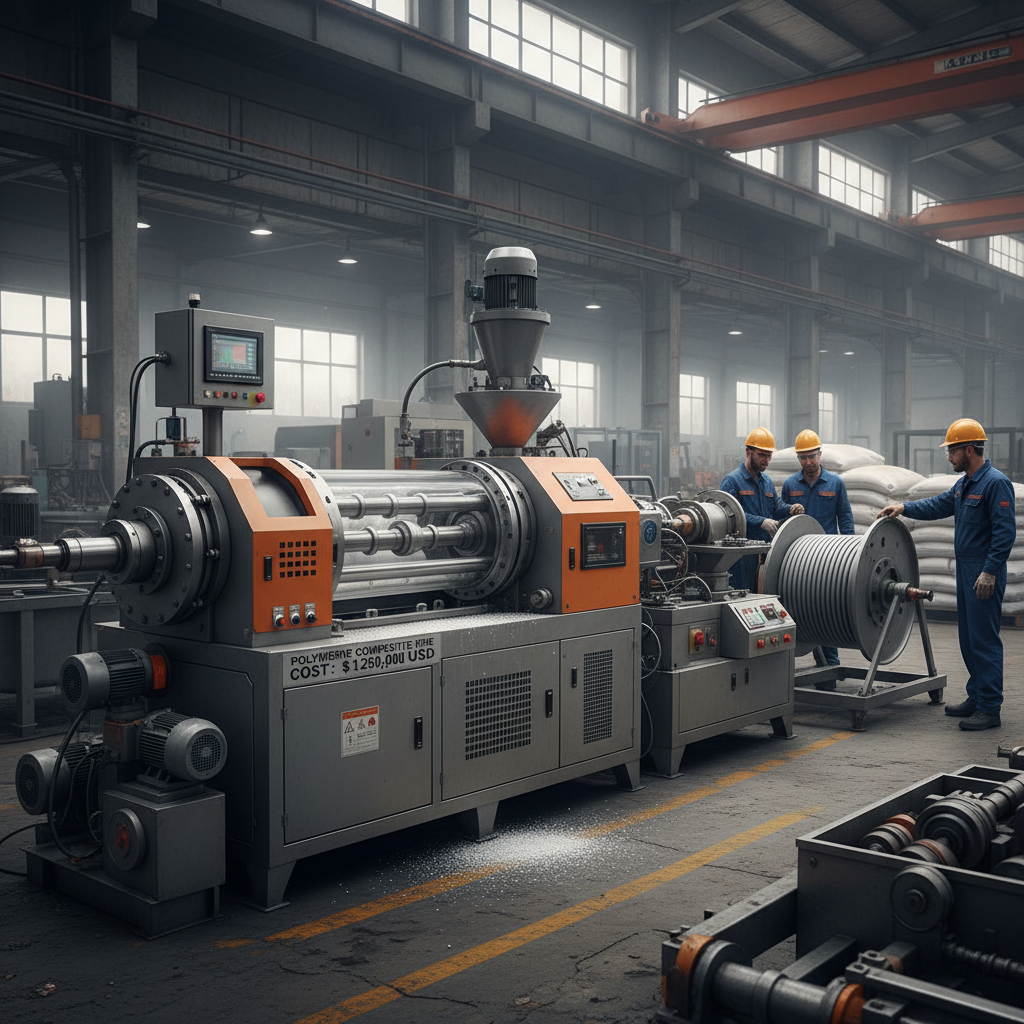
Several key factors determine the final price of a twin screw extruder. The cost of a twin screw extruder is heavily influenced by its screw diameter, which directly impacts its throughput capacity. Larger diameter extruders, capable of processing more material, naturally command higher prices. Other significant factors include the extruder’s length-to-diameter (L/D) ratio, the type of screws used (co-rotating or counter-rotating), and the level of automation included. Furthermore, the manufacturer’s reputation, build quality, and the inclusion of auxiliary equipment like gravimetric feeders and downstream tooling will all contribute to the overall cost. The materials you intend to process also play a role, as extruders designed for abrasive or corrosive materials require specialized components and are therefore more expensive.
Key Highlights: Machine size, L/D ratio, screw type, automation level, manufacturer, and material compatibility all have a direct impact on the price.
Typical Twin Screw Extruder Cost Ranges
Understanding the typical cost ranges for different types of twin screw extruders is crucial for budgeting. Here’s a breakdown based on common screw diameters and configurations. These prices are approximate and can vary based on the specifics of the machine and supplier. Remember that these figures generally exclude shipping, installation, and training costs, which should be factored into your overall budget.
Ongoing Operational Costs
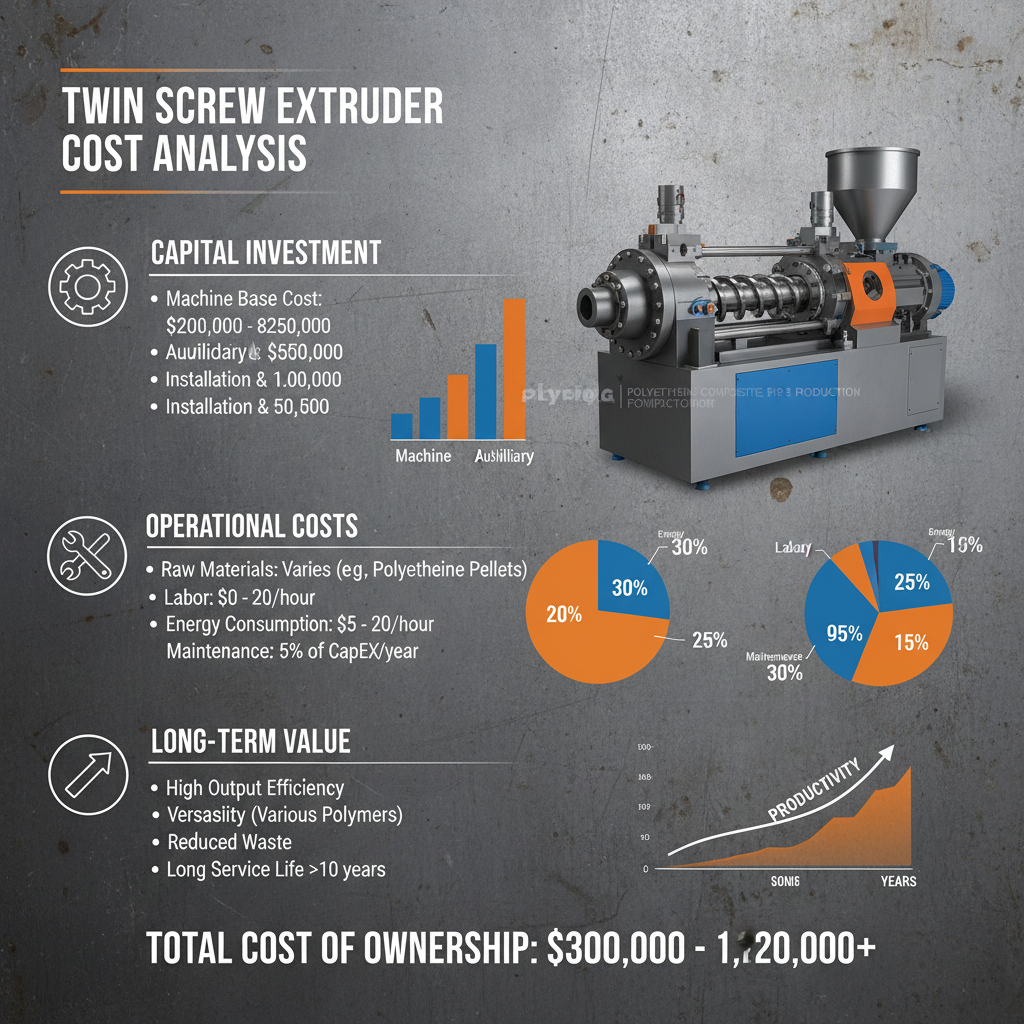
The twin screw extruder cost doesn’t end with the initial purchase. Ongoing operational costs must be considered for accurate financial planning. These include electricity consumption, which can be significant, especially for larger machines. Maintenance costs, encompassing regular parts replacement (screws, barrels, heaters) and preventative maintenance, are also substantial. Labor costs for operation and maintenance should not be overlooked. Finally, the cost of raw materials, cooling water, and waste disposal all contribute to the total cost of ownership.
Operational Cost Breakdown:
• Electricity Consumption: $5,000 - $20,000+ per year (depending on usage)
• Maintenance: 5-10% of initial machine cost annually
• Labor: Varies based on skill level and regional rates
• Raw Materials & Disposal: Dependent on production volume and materials used
Choosing the Right Extruder: A Cost-Benefit Analysis
Selecting the appropriate twin screw extruder requires a careful cost-benefit analysis. Don’t simply opt for the cheapest option; consider the long-term implications. A higher upfront investment in a more robust and efficient machine can often result in lower operational costs and increased productivity over its lifespan. Evaluate your production requirements, the types of materials you’ll be processing, and your budget constraints. Consider factors like energy efficiency, ease of maintenance, and the availability of spare parts.
Where to Find Competitive Pricing
To secure the best possible price on a twin screw extruder, explore multiple suppliers and compare quotes. Attend industry trade shows, such as Plastivision or K Show, to network with manufacturers and learn about the latest advancements. Online marketplaces and directories can also be valuable resources. Don’t hesitate to negotiate with suppliers and inquire about potential discounts or financing options. A.H.D.C. 11 specializes in providing high-quality twin screw extruders at competitive prices, with a focus on customization and customer support.
Conclusion: Making an Informed Investment
Understanding the factors influencing the twin screw extruder cost is paramount to making a smart investment. By carefully evaluating your needs, researching suppliers, and considering both upfront and ongoing expenses, you can find a machine that delivers optimal performance, efficiency, and return on investment. Don’t compromise on quality – choose a reliable extruder that will serve your business for years to come.
Frequently Asked Questions (FAQs)
What is the typical lead time for a twin screw extruder?
Lead times can vary significantly depending on the manufacturer, machine complexity, and current order backlog. Generally, expect a lead time of 8-20 weeks from the date of order placement to delivery. Custom-built extruders or those with specialized features may require longer lead times. It’s crucial to inquire about the lead time upfront and factor it into your production planning. Suppliers like A.H.D.C. 11 can provide accurate lead time estimates and manage the production process efficiently.
What kind of warranty is typically offered with a twin screw extruder?
Most manufacturers offer a warranty on their twin screw extruders, typically ranging from 12 to 24 months. The warranty usually covers defects in materials and workmanship. However, it typically doesn't cover wear and tear items like screws, barrels, or heating elements. Carefully review the warranty terms and conditions before purchasing to understand the scope of coverage and any limitations.
Can a twin screw extruder be used for recycling plastics?
Yes, twin screw extruders are exceptionally well-suited for recycling plastics. Their efficient mixing and kneading capabilities can handle contaminated or mixed plastic streams, effectively removing impurities and producing high-quality recycled pellets. Specialized screw designs are available for recycling specific types of plastics, such as PET, HDPE, and PP.
What level of operator training is required?
Operating a twin screw extruder requires specialized training. Operators need to understand the machine’s controls, safety procedures, and proper material handling techniques. Manufacturers typically offer training programs to ensure operators can safely and efficiently operate the equipment. Ongoing training is recommended to keep operators up-to-date on best practices and new features.
-
High Efficiency PE Extrusion Line Guide for Plastic ManufacturingNewsApr.16,2026
-
High Speed Steel Wire Mesh HDPE Composite Pipe Production Line - Anhui Dongchai|High Automation&Energy EfficiencyNewsApr.13,2026
-
High Speed Steel Wire Mesh HDPE Composite Pipe Production Line - Anhui Dongchai|High Automation&Energy EfficiencyNewsApr.13,2026
-
Guide to Choosing High Efficiency ppr pipe extrusion machineNewsApr.09,2026
-
Comprehensive Guide to Modern Pipe Production Line Technologies and OptimizationNewsApr.07,2026
-
Choosing the Right Extrusion Pipe Machine for Optimal Plastic Pipe ProductionNewsApr.04,2026
-
Comprehensive Guide to PPR Pipe Extrusion Line Technology and ApplicationsNewsMar.31,2026


