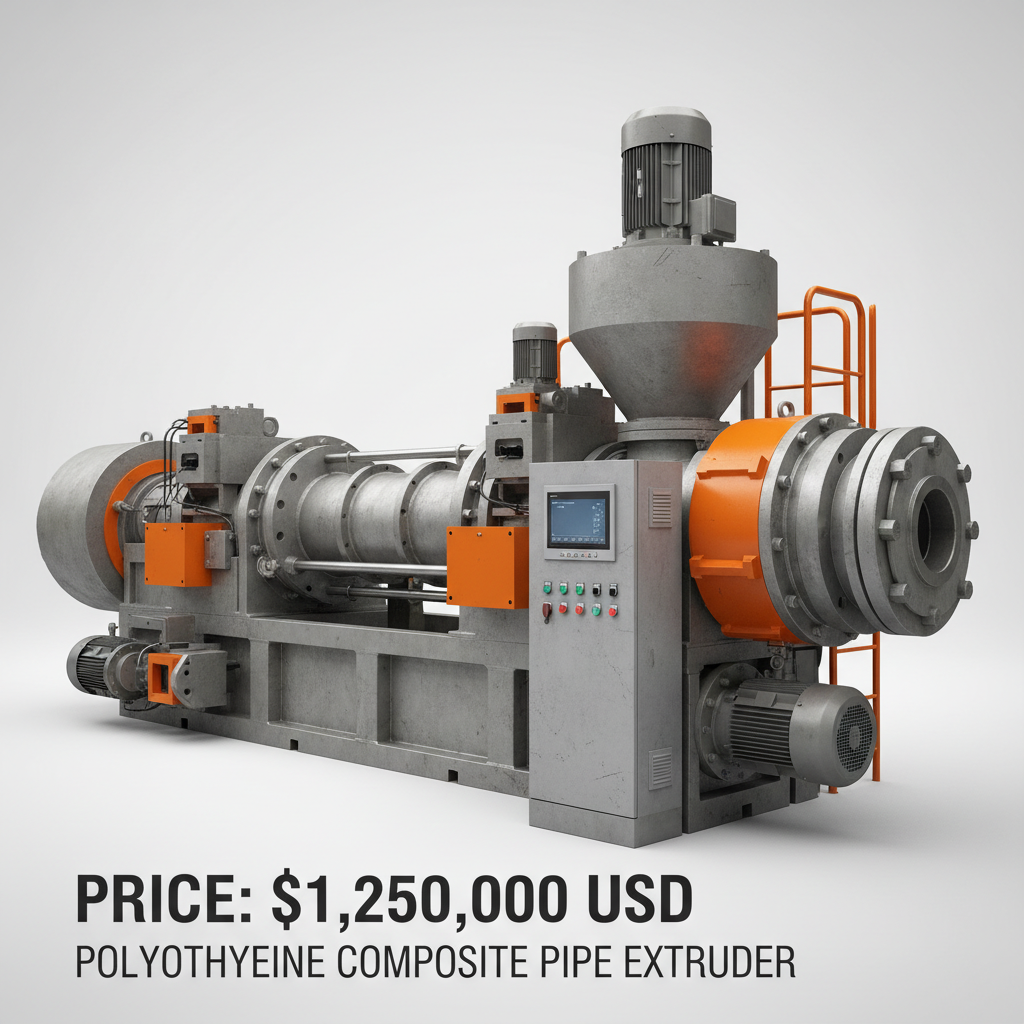
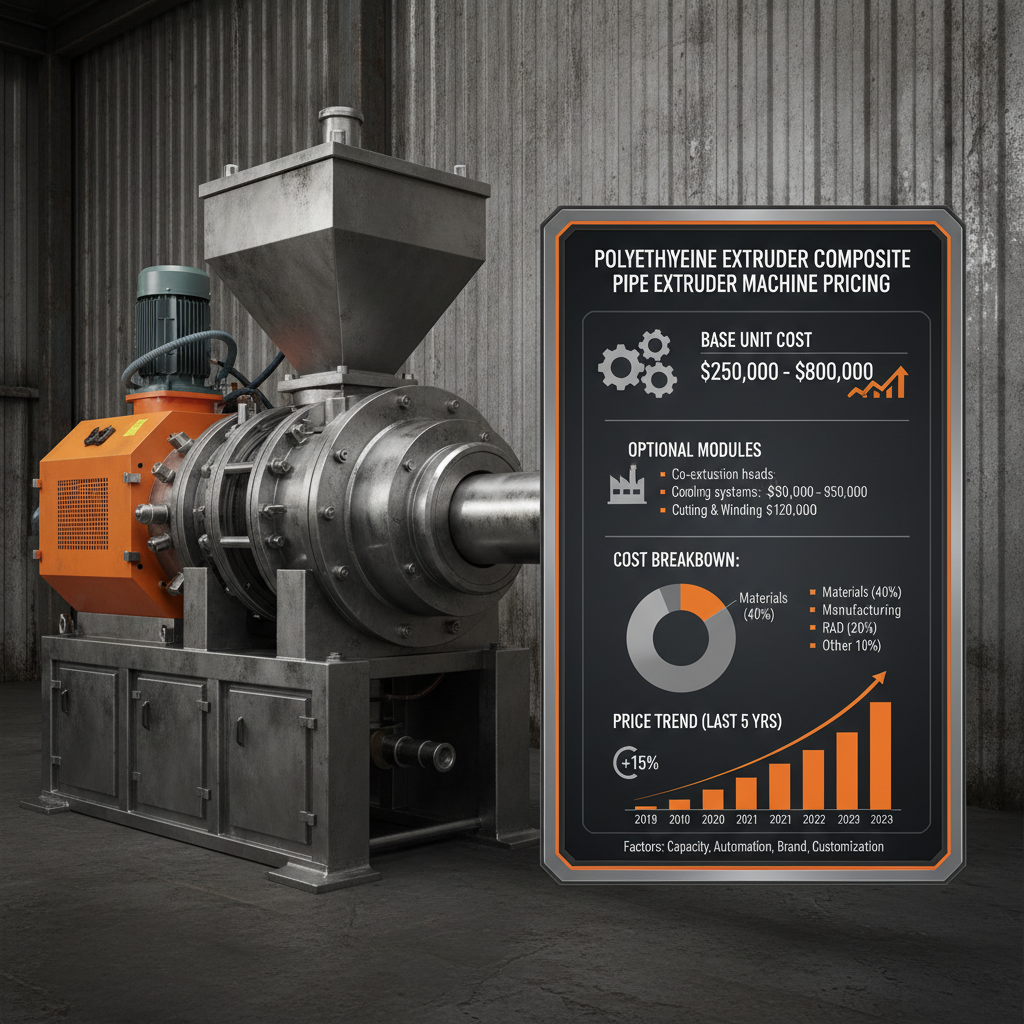
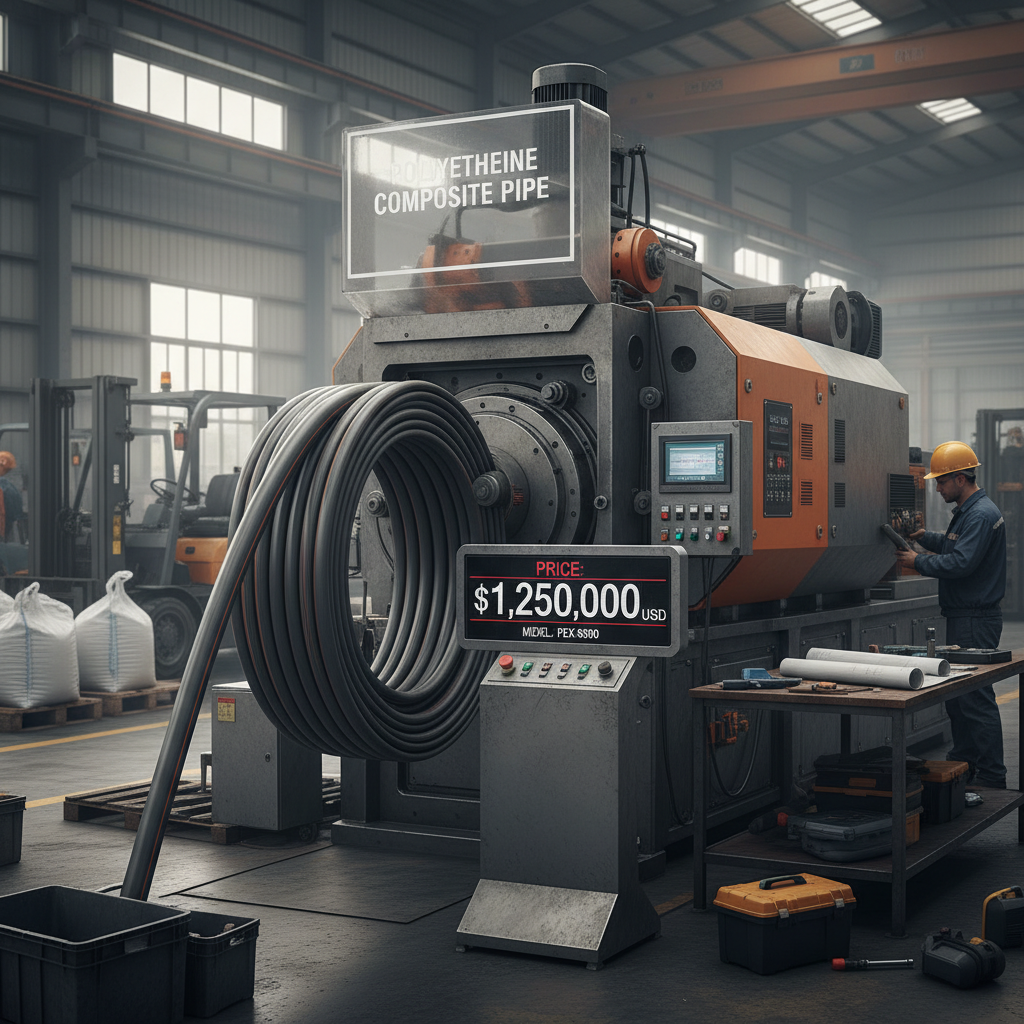
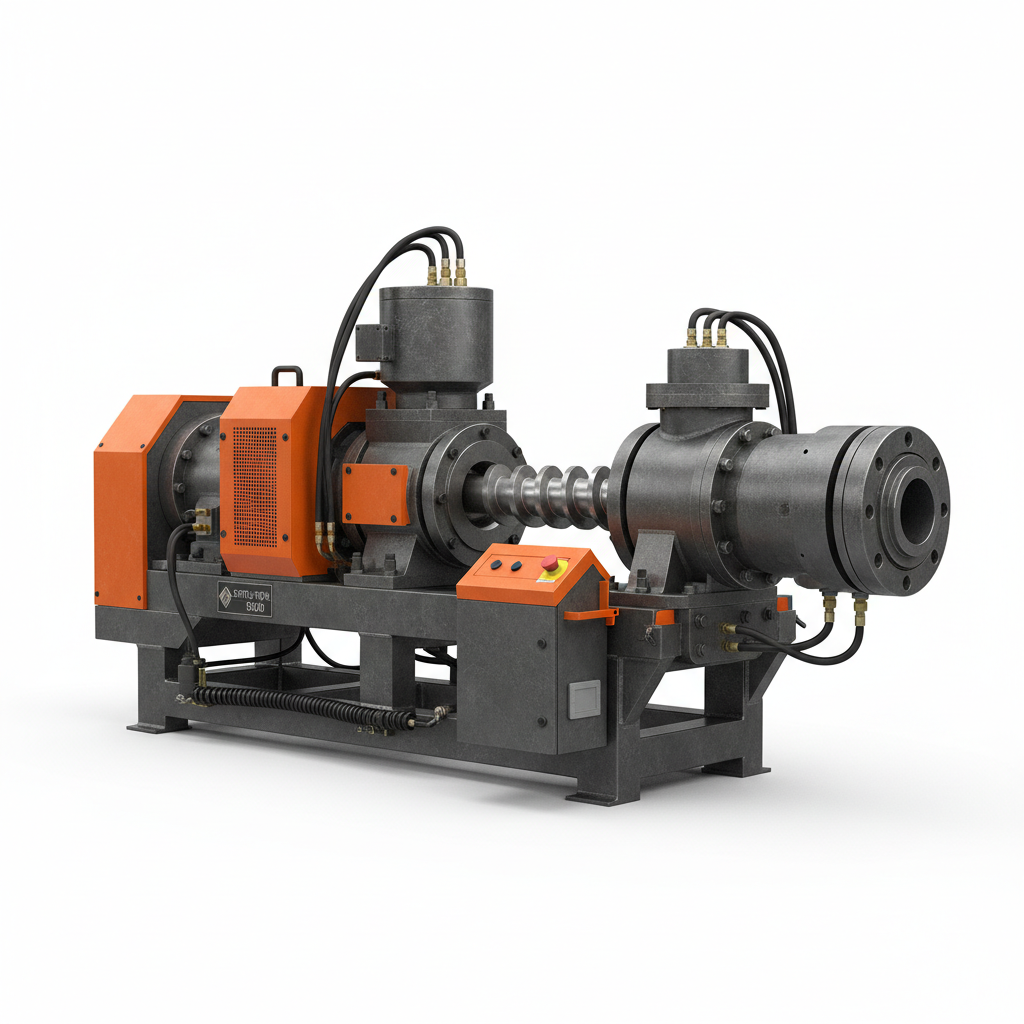
Understanding the extruder machine price is a critical first step for any manufacturer looking to enter or expand within the plastics processing industry. Whether you are producing composite pipelines or complex profiles, the initial investment in extrusion technology dictates your production capacity, material versatility, and long-term operational margins.
Globally, the demand for high-efficiency plastic production has surged, driven by infrastructure growth and the transition toward sustainable materials. Consequently, the extruder machine price is no longer just a line item in a budget but a strategic variable that balances upfront capital expenditure (CAPEX) against total cost of ownership (TCO) and energy efficiency.
By analyzing the factors that influence these costs, businesses can make informed decisions that ensure they aren't just buying a machine, but investing in a scalable asset. This guide breaks down the complexities of pricing for various production lines, from high-speed automatic sealing machines to heavy-duty pipe extrusion systems.
Global Market Dynamics of Extruder Machine Price
The global landscape for plastic extrusion is characterized by a shift toward automation and high-precision engineering. The extruder machine price fluctuates based on regional raw material costs, shipping logistics, and the integration of Industry 4.0 technologies. In emerging markets, there is a significant push for affordable yet durable Pipe Extrusion Production Lines to support urban water infrastructure projects.
Furthermore, international standards such as ISO certifications play a massive role in pricing. Machines that adhere to strict safety and energy-saving regulations often carry a higher initial price tag but provide lower operational costs over time. This creates a complex decision-making process for procurement officers who must weigh immediate budget constraints against lifelong machinery performance.
Defining the Value Proposition of Extrusion Costs
When we discuss the extruder machine price, we are essentially discussing the "cost of capability." A low-cost machine might provide basic extrusion, but a high-value system offers precision temperature control, consistent wall thickness for profiles, and reduced scrap rates. For a manufacturer of Composite Pipeline Production Lines, the "price" includes the reliability of the screw design and the durability of the barrel.
Modern extrusion pricing is intrinsically linked to humanitarian and industrial needs. For instance, the ability to produce low-cost, high-strength HDPE pipes for remote clean-water initiatives requires machines that are both efficient and easy to maintain. Thus, the value is measured by how much the equipment can lower the per-unit cost of the end product.
Ultimately, the price of an extruder is a reflection of the engineering hours invested in optimizing the melt flow and the quality of the alloys used in construction. Investing in a reputable Plastic Production Line ensures that the machine can handle varying resin grades without frequent downtime, which is where the true economic value lies.
Key Factors Influencing Extruder Machine Price
One of the primary drivers of the extruder machine price is the screw and barrel configuration. High-wear environments require bimetallic barrels or specialized coatings to prevent corrosion and erosion, which naturally increases the cost but extends the machine's lifespan by years.
Automation levels significantly shift the price bracket. A manual Profile Extrusion Production Line is far more affordable, but a New High Speed Automatic Sealing Machine integrated with PLC controls and automated cutting systems commands a premium due to the drastic reduction in labor costs.
Energy efficiency is the third pillar of pricing. Modern extruders utilize AC motors and advanced heating elements that reduce electricity consumption by 20-30%. While this increases the initial extruder machine price, the operational savings often pay back the difference within the first 18-24 months of production.
Cost Efficiency and Scalability in Production
Achieving cost efficiency requires a deep understanding of how capacity correlates with the extruder machine price. Scaling up doesn't always mean buying a larger machine; often, it means investing in a modular system that can be upgraded as demand for your plastic products increases.
For businesses managing multiple product lines, the ability to swap dies and molds quickly is a feature that adds to the purchase price but prevents the need for multiple dedicated machines. This flexibility allows a single production line to pivot between different profile sizes, maximizing the utility of the investment.
Comparison of Cost vs. Efficiency by Machine Grade
Global Applications of Plastic Production Lines
In Southeast Asia and Africa, the focus is often on the extruder machine price for basic Pipe Extrusion Production Lines used in agricultural irrigation. These regions prioritize robust, "no-frills" machinery that can be maintained locally without needing specialized overseas technicians for every minor fault.
Conversely, in Europe and North America, the application shifts toward high-performance Composite Pipeline Production Lines. Here, the price is driven by the need for extreme precision and the integration of recycled plastics, as environmental regulations demand a higher percentage of post-consumer resin in every extruded profile.
Long-Term Value and ROI of Premium Equipment
When evaluating the extruder machine price, one must look beyond the invoice and calculate the Return on Investment (ROI). Premium machinery reduces "scrap" or wasted material, which can account for up to 5% of total material costs in low-end machines. Over a decade, this savings alone can exceed the initial price difference.
Reliability also translates to "peace of mind." In a high-volume factory, a single day of unplanned downtime can cost thousands of dollars in lost revenue. High-end extruders feature predictive maintenance sensors that alert operators before a failure occurs, effectively protecting the company's bottom line.
Furthermore, the resale value of top-tier brands is significantly higher. A well-maintained, high-spec Plastic Production Line retains a large portion of its value, allowing the company to upgrade their fleet without taking a total loss on old equipment.
Future Trends Impacting Extruder Machine Price
The next decade will see the extruder machine price influenced heavily by "Green Extrusion." This involves the development of machines specifically designed for biodegradable polymers (PLA, PHA), which require different temperature profiles and screw geometries than traditional PE or PP.
Digital transformation, or "Smart Extrusion," is also becoming a standard. Cloud-based monitoring allows plant managers to track output and energy use from a smartphone, integrating AI to optimize the melt flow in real-time. While these features increase the upfront cost, they drastically lower the cost of quality control.
Finally, the move toward modularity means we will see "plugin" components for extruders. Instead of buying a whole new line, manufacturers will buy upgrade kits for their existing machines to increase speed or change material compatibility, shifting the cost model from massive CAPEX to smaller, incremental OPEX.
Analysis of Technology Impact on Extruder Pricing and Performance
| Technology Level |
Impact on Machine Price |
Production Efficiency |
Maintenance Cost |
| Manual Basic |
Low |
4/10 |
Medium |
| Semi-Automatic |
Medium |
6/10 |
Low |
| Fully Automatic |
High |
9/10 |
Medium |
| AI-Integrated |
Very High |
10/10 |
Very Low |
| Eco-Friendly/Bio |
Medium-High |
7/10 |
Medium |
| Hybrid Modular |
Variable |
8/10 |
Low |
FAQS
The price is primarily determined by the machine's output capacity, the quality of the screw and barrel materials (such as bimetallic alloys), the level of automation (PLC vs. manual), and the specific application (e.g., whether it's for a Pipe Extrusion Production Line or a Profile line). Energy-efficient motors and advanced heating systems also add to the initial cost but lower long-term expenses.
Not necessarily, but it involves trade-offs. A budget machine is suitable for low-volume production or simple products. However, for high-precision industrial components, a low-cost machine may result in higher scrap rates, more frequent downtime, and higher energy bills, which can make the "cheap" machine more expensive over a 5-year period.
Pipe lines often focus on volume and wall thickness consistency, whereas profile lines require more complex tooling and precision dies to maintain intricate shapes. Because profile dies are more expensive to engineer and the machines require tighter tolerances, Profile Extrusion Production Lines often have a higher starting price point.
Yes. Modular systems allow you to purchase the core extrusion unit first and add components like automatic sealing, advanced cooling tanks, or winding machines as your budget allows. This spreads the investment over time while allowing your production to scale organically with your revenue growth.
While energy-efficient models increase the upfront extruder machine price, they can reduce monthly electricity costs by 20% or more. In regions with high energy tariffs, these savings are substantial and typically lead to a lower Total Cost of Ownership (TCO) within two years compared to inefficient, cheaper alternatives.
Check for detailed specifications on the screw alloy, the brand of the motor and PLC, and the included after-sales support. A fair price should include installation guidance, basic training, and a warranty. Beware of quotes that are significantly lower than market average without specifying the component brands.
Conclusion
Navigating the complexities of extruder machine price requires a shift in perspective from seeing the equipment as a cost to seeing it as a strategic investment. From the durability of bimetallic barrels to the efficiency of automated sealing machines, every feature added to the machine's specification directly influences the final product quality and the manufacturer's profit margins.
As the industry moves toward greener materials and smarter automation, the most successful manufacturers will be those who balance initial CAPEX with long-term operational viability. We recommend conducting a thorough TCO analysis and choosing a partner that offers scalability and reliable support to ensure your production line remains competitive for years to come. Visit our website: www.ahdc11.com