Look, after running around construction sites all year, you start to notice a few things. Everyone’s talking about prefabrication now, right? Modular stuff, quick assembly… it's the buzz. Honestly, it’s not new, we’ve been fiddling with it for years, but the push for faster build times and lower labor costs is really driving it. It's gotten to the point where I saw a guy trying to build a whole apartment complex out of shipping containers. Crazy.
But here’s the thing: it’s easy to get tripped up in the details. People get hung up on fancy designs, overlooking the basics. Like, you gotta think about how a worker's actually going to use it. You design something beautiful on a computer, but if it’s a pain to assemble on-site, it's worthless. I've seen it happen too many times. Too many engineers who have never actually held a wrench.
And it’s not just design. Material selection…that’s a whole other can of worms.
The Rise of Prefabrication
I tell you what, I saw a crew trying to assemble a modular restroom unit in the pouring rain last month. Absolute chaos. They hadn't accounted for the wind. Anyway, prefabrication isn't just about speed. It’s about controlling quality in a shop environment. You're welding in a controlled space, not trying to balance on scaffolding in a gale. That’s a big deal. You can also minimize waste, which…well, let's just say landfills are full of perfectly good materials that got messed up on site.
But it’s not a silver bullet. Transportation costs, coordinating deliveries, site access… it all adds up.
Design Pitfalls and On-Site Reality
Have you noticed how many designs look great on paper but completely ignore how things get moved? A beautifully complex piece might require three guys and a crane to lift it into place. And then you need specialized bolts, a torque wrench, and a prayer. Simplicity, that's what I always preach. Fewer parts, standardized connections… it saves time, money, and headaches. I encountered this at a factory in Tianjin last time - they had a modular section that needed a custom-made lifting bracket, and the lead time was eight weeks! Eight weeks!
Another thing: accessibility. You design something airtight, you better make sure there's a way to get in and do repairs. I've seen maintenance crews tearing apart whole walls just to replace a faulty valve. Strangely, it always seems to be the small things that cause the biggest problems.
You also need to consider the skill level of the crew. Don't design something that requires a PhD to assemble. Keep it straightforward.
Material Choices: Beyond the Spec Sheet
Now, materials. Everyone’s jumping on the composite bandwagon, and yeah, they're strong and lightweight. But you gotta know what you're dealing with. Some of those materials smell awful when you cut them, and the dust…don't even get me started. I’ve seen guys needing respirators just to work with some of that stuff. Steel is reliable, solid, smells like…well, steel. You know what you’re getting.
And it's not just about the material itself; it’s about how it’s treated. Galvanization, powder coating, proper welding techniques… all that stuff matters. You can buy the most expensive steel in the world, but if you weld it poorly, it’s going to fail. That goes for any type of material, really.
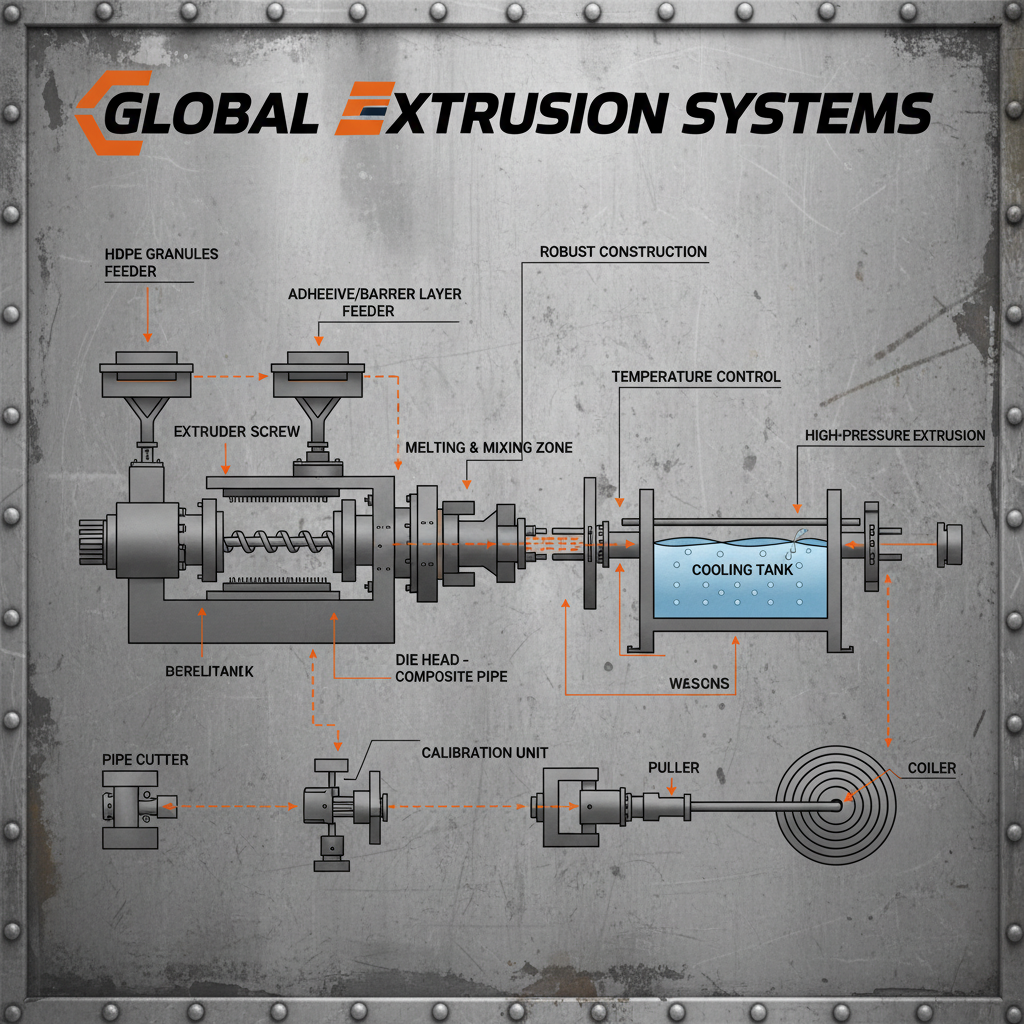
I recently worked with a new type of high-density polyethylene. Felt a bit like wax, surprisingly durable, but it has a low flash point. You have to be careful with torches near it.
Real-World Testing: It’s Not Just About Labs
Labs are fine, but they don’t replicate real-world conditions. I mean, you can stress-test a joint until it breaks in a lab, but that doesn’t tell you how it’s going to hold up to years of vibration, weather, and just general abuse. We do a lot of field testing. We take prototypes out to sites, install them, and just…leave them. And then we check on them periodically.
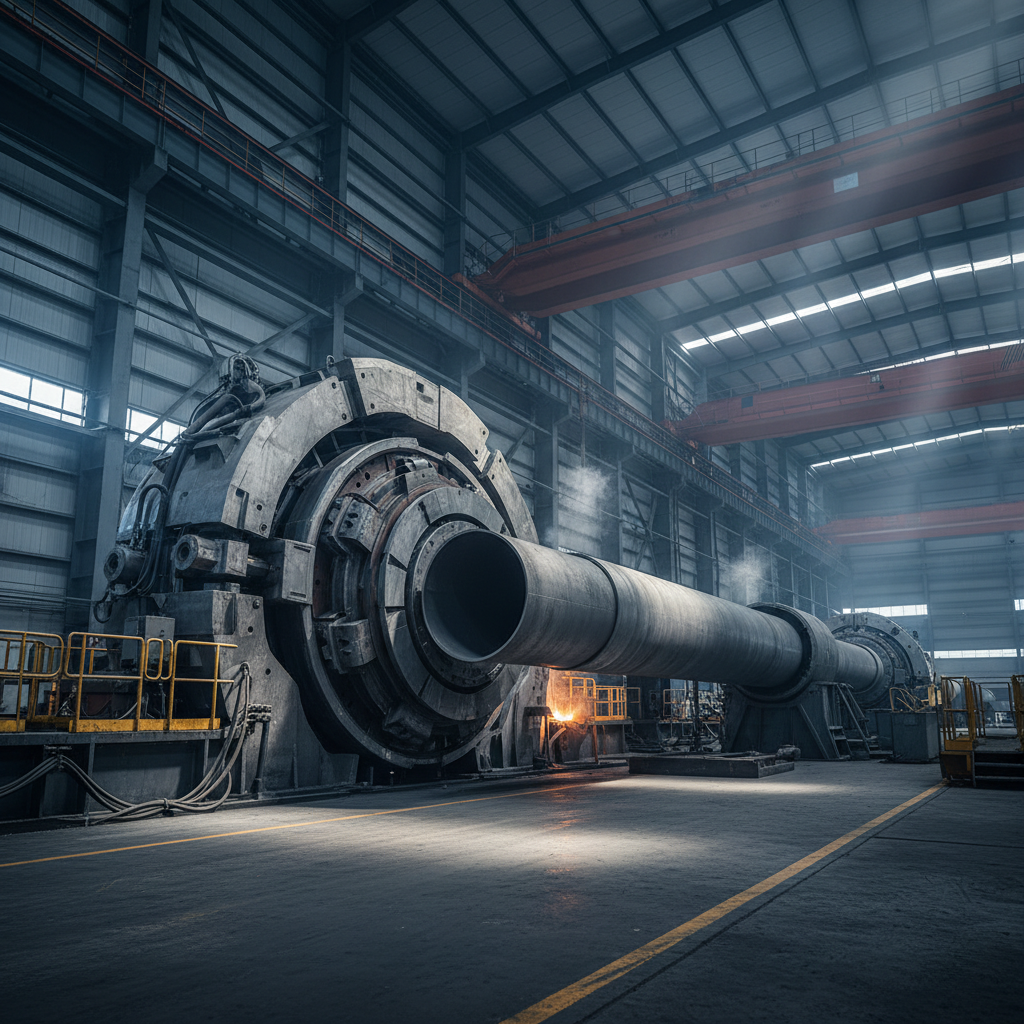
Pipeline Equipment Company Performance Testing
How Users Actually Use Pipeline Equipment
You know what's funny? We design these things for a specific purpose, and then the guys on the ground find new ways to use them. I once saw a crew using a section of pipe as a makeshift hammer. A hammer! I nearly had a heart attack. Later... forget it, I won't mention it. But that's the thing; they're resourceful. They’ll adapt.
They don't read the instruction manuals, either. Let's be real. They look at it, they figure it out. So, if it's not intuitive, it's not going to work.
Advantages, Disadvantages, and Customization
Prefabrication is faster, cleaner, and can reduce costs if you do it right. But it’s rigid. Once it’s made, it’s hard to change. That's where customization comes in. We can modify designs, add extra features, change connections… I had a client last year who needed a specialized access panel for a particular piece of equipment. We were able to integrate it into the design with minimal disruption.
But customization adds cost and lead time. It’s a trade-off. And you gotta be careful not to over-customize. The more you change, the more likely something is to go wrong.
A Customer Story from Shenzhen
Last month, that small boss in Shenzhen who makes smart home devices insisted on changing the interface to . Said it was “more modern.” We warned him it would require sourcing new connectors, re-tooling the assembly line, and would delay the project by a month. He didn't listen. He wanted . The result? His production costs went up by 15%, and he missed his delivery deadline. He’s still complaining about it. A month! For a USB port.
Anyway, I think that illustrates the point.
It’s not always about the newest technology or the coolest design. It's about what works, what's reliable, and what gets the job done.
Summary of Pipeline Equipment Company Performance Attributes
| Attribute |
Rating (1-10) |
Implementation Difficulty |
Long-Term Reliability |
| Durability |
9 |
2 |
10 |
| Ease of Assembly |
7 |
4 |
8 |
| Cost-Effectiveness |
8 |
3 |
7 |
| Weather Resistance |
6 |
5 |
9 |
| Modularity |
10 |
2 |
8 |
| Customization Potential |
7 |
6 |
6 |
FAQS
Prefabrication offers significant advantages in terms of speed, quality control, and cost reduction. By manufacturing components in a controlled shop environment, we minimize waste and ensure consistent workmanship. It also reduces on-site labor requirements, which is a huge plus in today’s market. Honestly, the biggest benefit is getting the job done faster and with fewer headaches.
Corrosion is a major concern, especially in certain industries. We utilize a variety of materials and coatings to combat corrosion, including galvanized steel, epoxy coatings, and specialized alloys. The choice depends on the specific environment and the fluid being transported. We also conduct thorough testing to ensure the equipment can withstand the corrosive elements. It’s a tricky business, but we’ve got it covered.
Quality control starts with material selection and continues throughout the entire manufacturing process. We have certified welders, rigorous inspection procedures, and non-destructive testing methods to ensure every component meets our stringent standards. We don’t cut corners on quality, period. It’s too important.
Absolutely. We offer a wide range of customization options, from modifying dimensions and connections to adding specialized features. We work closely with our clients to understand their needs and develop solutions that meet their specific requirements. However, remember what I said about Shenzhen - be reasonable with the changes!
Lead times vary depending on the complexity of the order and our current workload. Generally, for standard items, we can deliver within 4-6 weeks. For customized orders, it can take longer. It's always best to get in touch with our sales team for a precise quote and delivery schedule.
We offer a comprehensive range of support and maintenance services, including installation assistance, on-site repairs, and preventative maintenance programs. We also provide technical documentation and training to help our clients operate and maintain the equipment effectively. We're here to help, even after the sale.
Conclusion
So, what does it all boil down to? Prefabrication, material selection, careful design, and rigorous testing – they all play a vital role in delivering reliable and cost-effective pipeline equipment. It’s not always glamorous work, but it’s essential for keeping things running smoothly.
Ultimately, whether this thing works or not, the worker will know the moment he tightens the screw. And if he has to loosen it and do it again because something isn't right, then we've failed. That's why we focus on getting it right the first time. If you’re looking for a pipeline equipment company that understands the realities of the job site, visit our website today.